


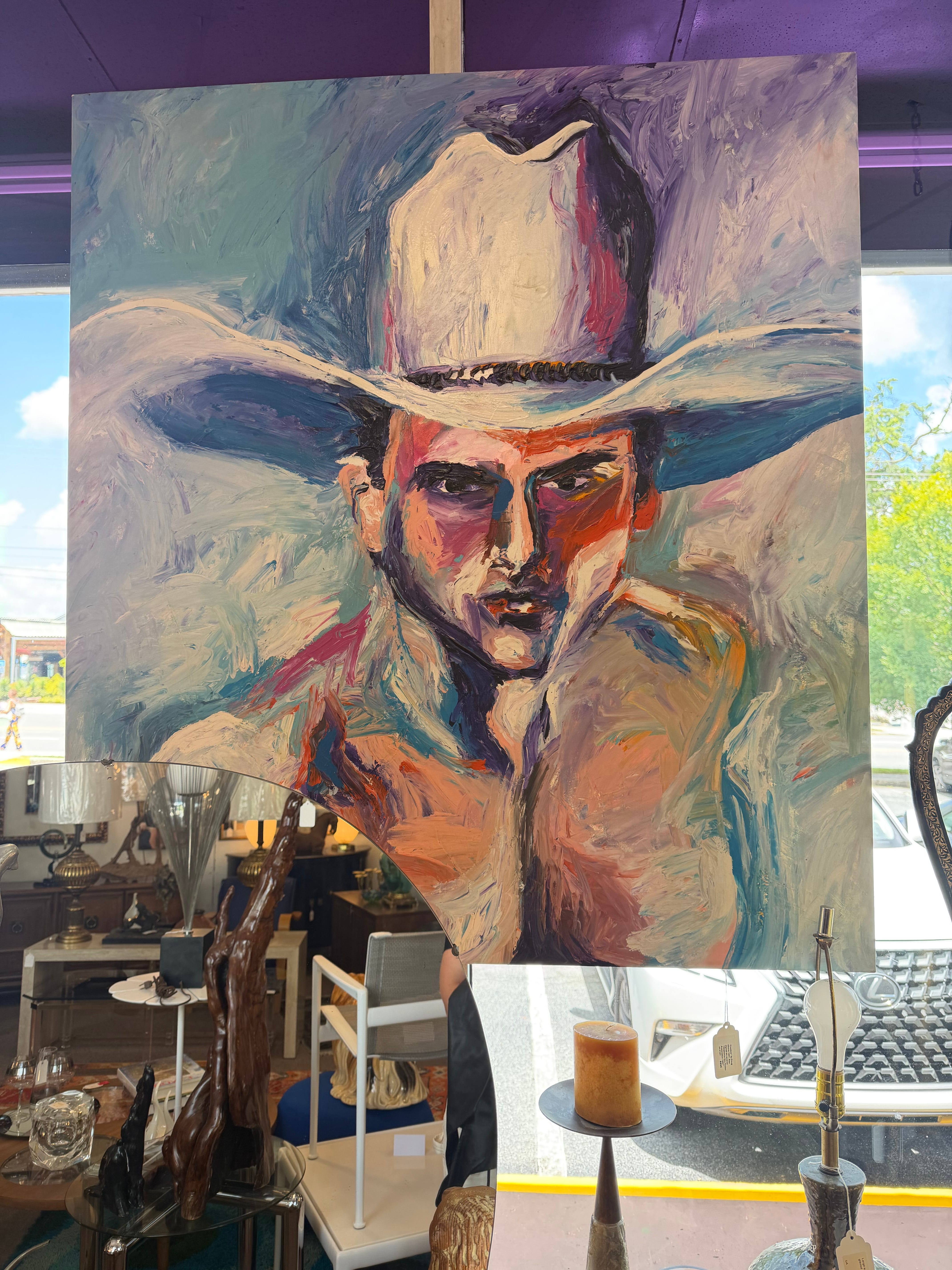
A lot of economic research right now can help us deduce what’s going to show up at thrift stores and estate sales in the coming years. And one of the biggest things we’re going to see in the secondhand market is art.
Deloitte's Art and Finance Report estimates that some $992 billion in art and collectibles will pass from older generations to younger ones over the ten years. Economists call this the Great Wealth Transfer: the movement of money, property, and other assets (i.e. stuff) from aging Baby Boomers to the Gen X and Millennials inheriting their things.
The issue for Boomers is that many of their own kids don’t want their art.
Gen X and Millennials often have less wall real estate to fill (i.e., smaller homes and less storage), and many have different tastes than their parents. And most of them are just overwhelmed by the thought of being saddled with decades’ worth of stuff.
I myself have been there: the day my grandmother died, I vowed I would not be getting rid of anything. Two weeks later, we had hosted multiple yard sales and had a dumpster in the driveway.
A lot of my grandmother’s stuff wound up being donated or sold for less than it was worth only because we had to get rid of it. I believe we will see similar stories in the coming years.
Some of these collections will, of course, be handled by estate sale companies and auction houses. But a lot will simply be donated or sold at yard sales and on Facebook Marketplace. Even at estate sales, some of it will wind up being priced for less than what it is worth.
Of course, not all of this art will be wildly valuable, but that’s not even really the point here.
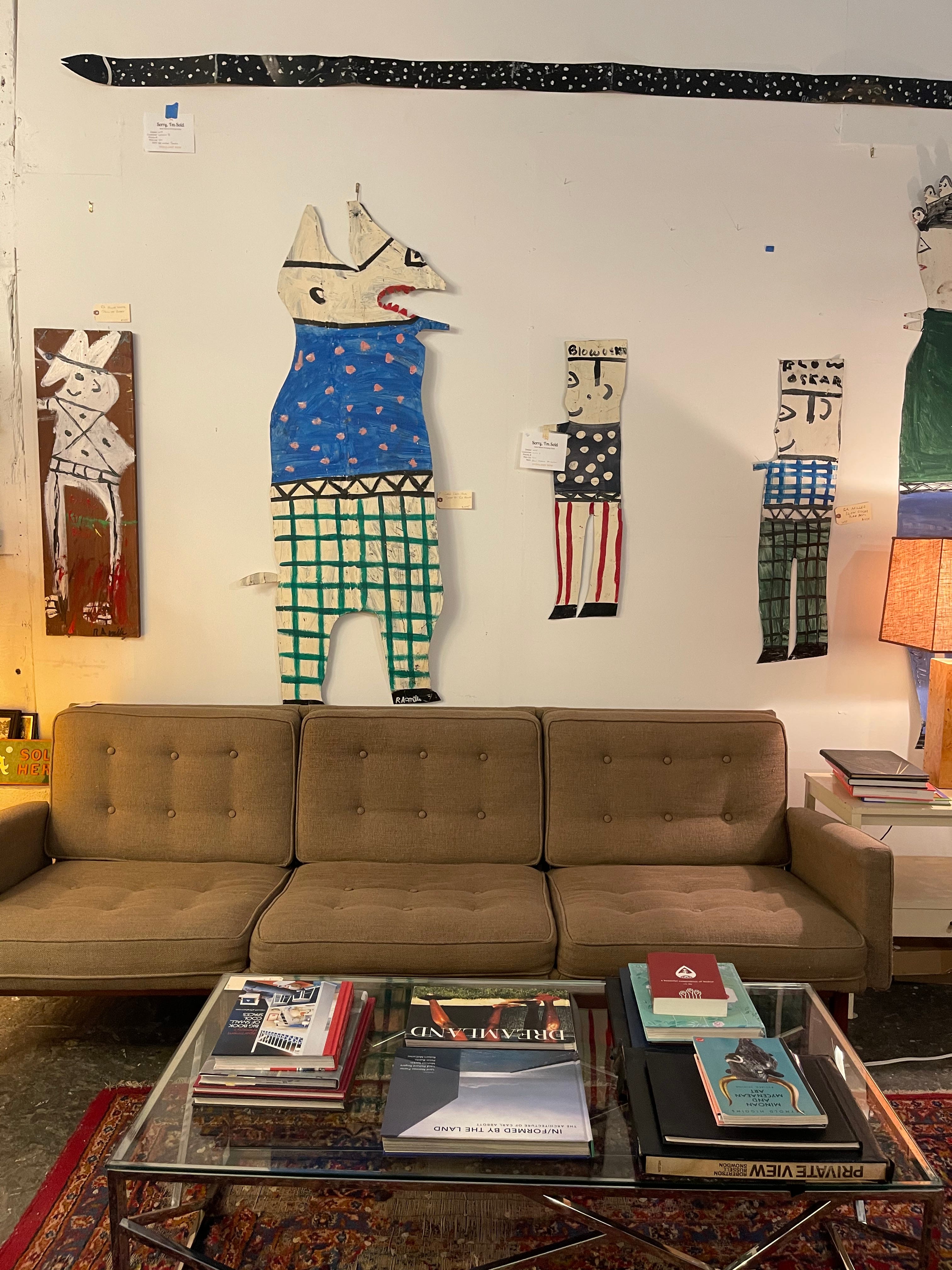
Stumbling across an Andy Warhol in your neighbor’s attic is the dream, but a more realistic opportunity will be discovering the work of regional artists, or original works dismissed by a thrift store as generic wall decor.
Keep reading for more on:
the difference between an original lithograph, etching or screenprint and a reproduction
tips to decipher signatures and edition numbers
how to research unfamiliar artists
So, what should you look for when shopping secondhand art?
Look for a signature on the front but also: turn it over.
