


Seven years in, and she still comes to me in dreams.
It’s always the most unremarkable scenario — we go to a Japanese restaurant and sit down, only to realize the place serves ramen, not sushi, and we both roll our eyes at our absolute lack of awareness. “Who wants ramen when it’s 100 degrees out?” she says, and we order some anyway.
In dreams, there’s no surprise at her presence. No shock or sadness.
She’s just… there. Like she never left.
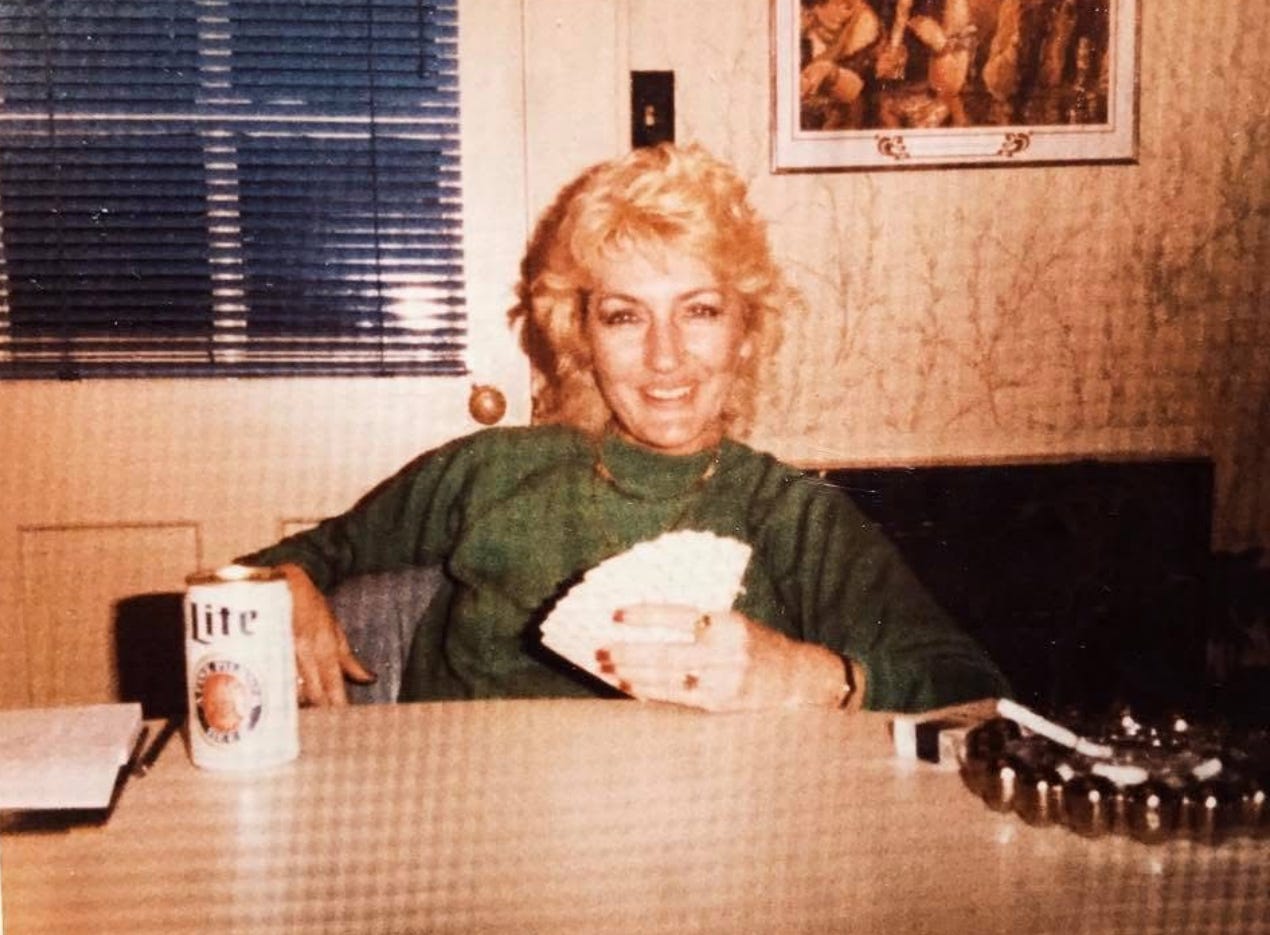
My grandmother, Joy, died seven years ago today. October 14, 2019 — the day the earth came off its axis for me.
When I speak at events, I often imagine what it would be like to see her sitting in the audience. I can picture her waiting for me afterward, so we could catch up, and I think about what I might say to bring her up to speed on the last seven years.
So much has happened — both in the world and to me.
“There was a pandemic, and we all had to stay home for months. We watched our friends and neighbors die, and businesses shutter, and we had to go to the grocery store in shifts and stand six feet apart. I taught Mom how to wash her hands the right way and I could hear her singing the Happy Birthday song every time the water ran.”
“Technology has moved at a rapid pace. Some cars drive themselves now, and when I check out at the grocery store, I don’t even take out my credit card. I just scan my palm. I talk to a computer to turn on and off the lights at home and I talk to it by name, because computers are now taking the place of humans. It’s incredibly convenient and everyone is pretty scared about it, too.”
“I got a job at People Magazine. I interviewed countless movie stars. I went to the White House Christmas Party twice. I went to the White House Correspondents’ Dinner and, if you were watching C-SPAN, you’d have seen me walk the red carpet, then check my phone because I got a text from Mom: ‘I see you on C-SPAN.’”
“I wrote a book and it changed my life. I traveled the country talking about it, and I even went on NBC News. A driver picked me up and took me to 30 Rock, and I peeked my head in to where Saturday Night Live is filmed. I got a literary agent, and a second book deal, and fancy Hollywood people asked me if I ever thought about doing television. Companies pay me money now just to talk about them on social media and brands send me clothing and skincare and lingerie and all the sorts of things I used to whine for as a kid.”
Mostly, though, I think I’d tell her: “Jazzy is still alive.”
Jazzy is my mom’s 17-year-old peekapoo. She is deaf and therefore has no idea how loud she is. She uses the bathroom quite frequently inside, and never in a normal way, somehow going from room to room to ensure no floor is left untouched. She has no teeth and a heart murmur, has cost me thousands in veterinary bills, and despite it all, still manages to test the limits of a dog’s lifespan.
My grandmother would laugh at that.
I love writing about my grandmother, but god, do I hate calling her “my grandmother.” Inevitably, I get hit with, “Oh I was so close to my grandmother, too,” or “Our grandparents are such blessings!” and I don’t mean to be an absolute jackass but she was not my grandmother.
She was my mom and my dad and my sister and my best friend. The love of my life. There are no words to describe what she was to me, or maybe there are, but I haven’t learned them yet.
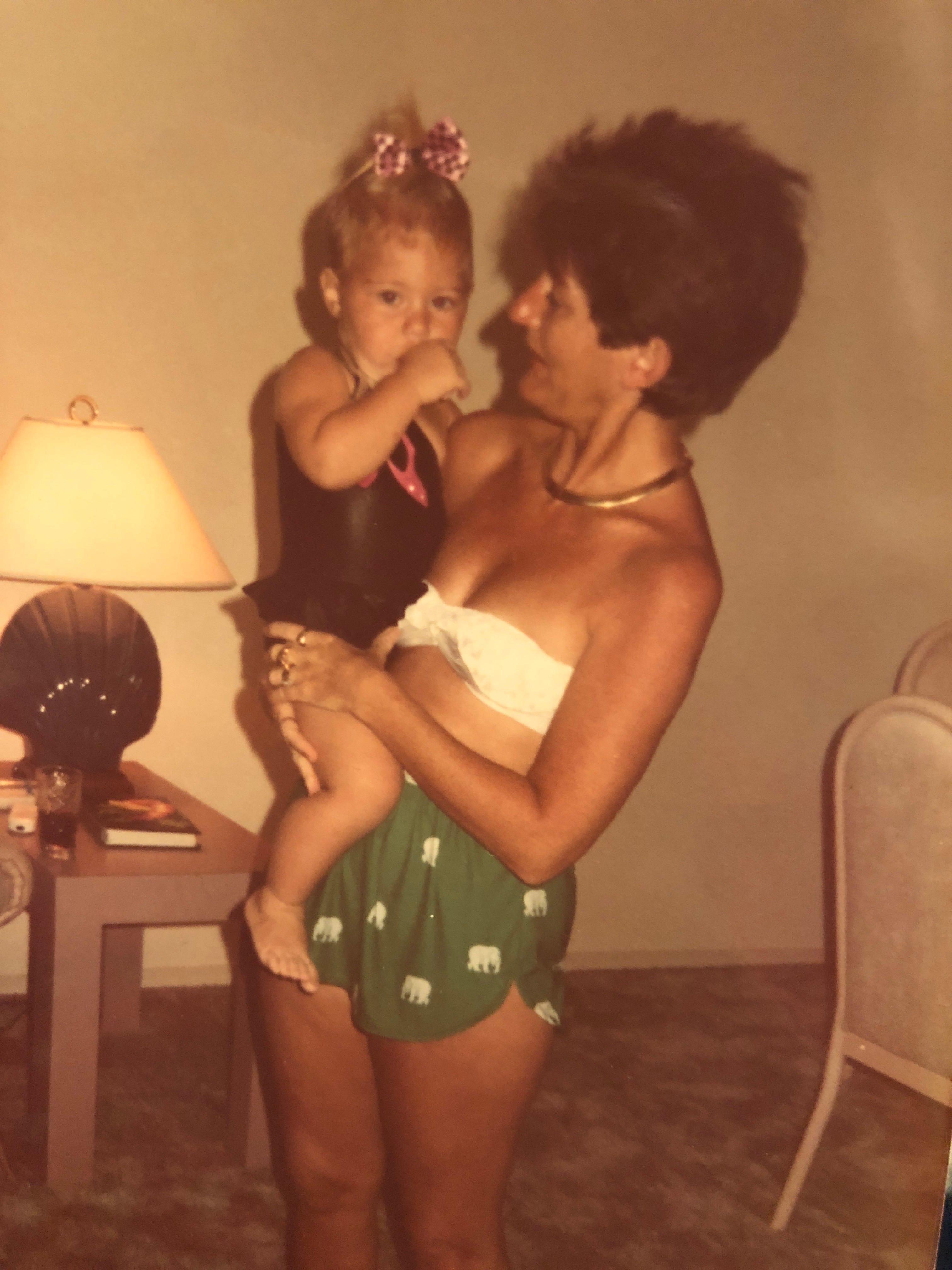
My grandmother was 40 years old when she started raising me, after my mom was shot in the head by her estranged husband. My grandmother watched it happen, scooped me from the car while my mom nearly bled out, and ran to the nearest house to call 911.
My mom was 20, by the way, so just let that sink in: A 40-year-old watching her 20-year-old get shot in the face and having to summon the ability to function — to pick up a six-week-old baby, remember to use her legs to propel her to a telephone, pick up and dial said telephone, and then call for an ambulance.
My grandmother did not birth me, but she was my mother just the same. More so, I think, because we were bound together not umbilical-cord-to-womb but by The Horrors that we survived.
The difference, of course, is that I don’t remember a single second of it and she probably wished she could say the same.
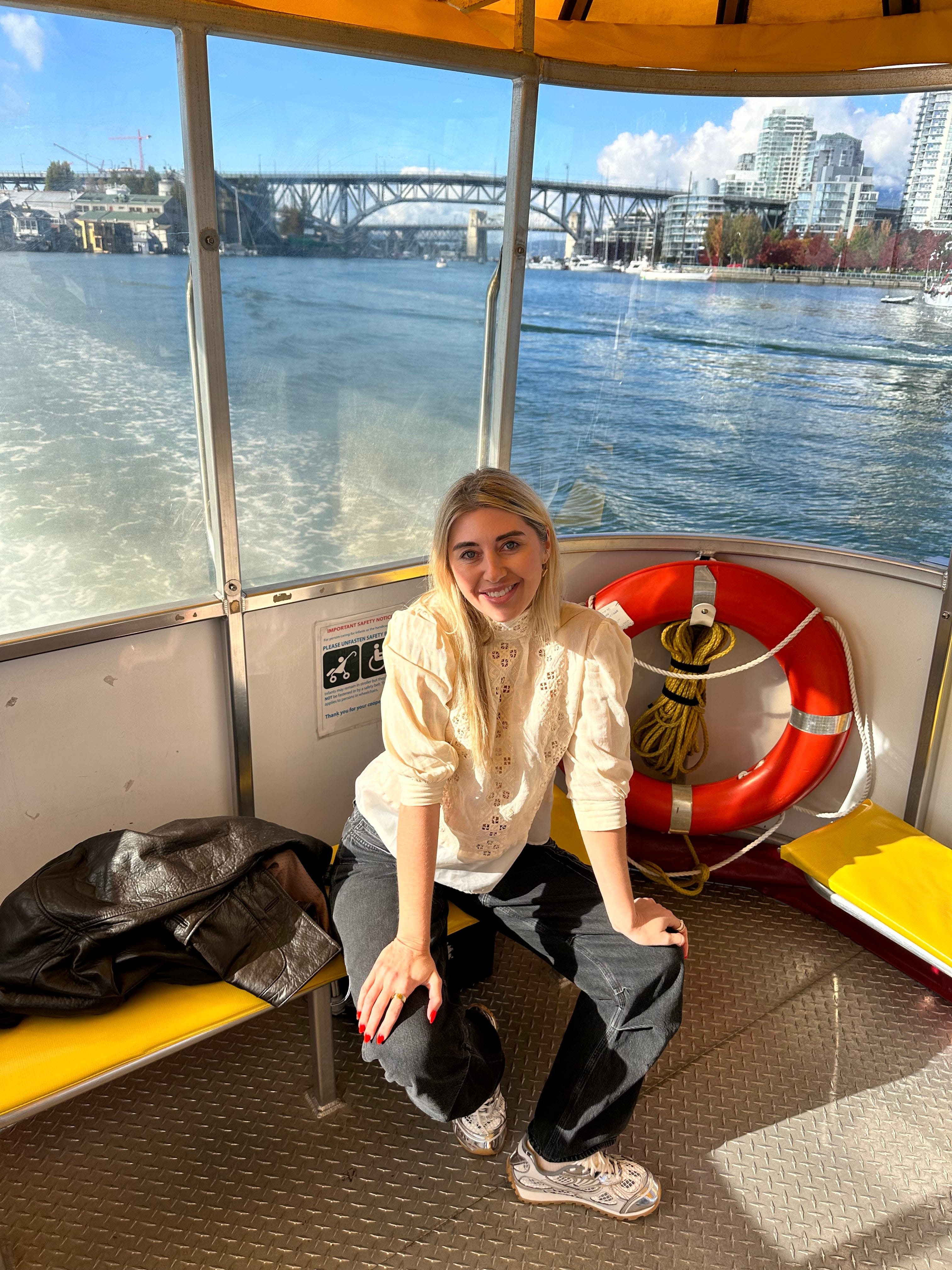
A brief aside, in case you need some background: My father went to prison for shooting my mother. He served seven years, then cycled in and out more than a dozen times after that. I never knew him, saw him, or heard from him until 2024, when he started messaging my mother on Facebook.
And that would be another thing I’d have to fill my grandmother in on: That 40 years after he shot my mom, he came back into our lives in the most tragic way.
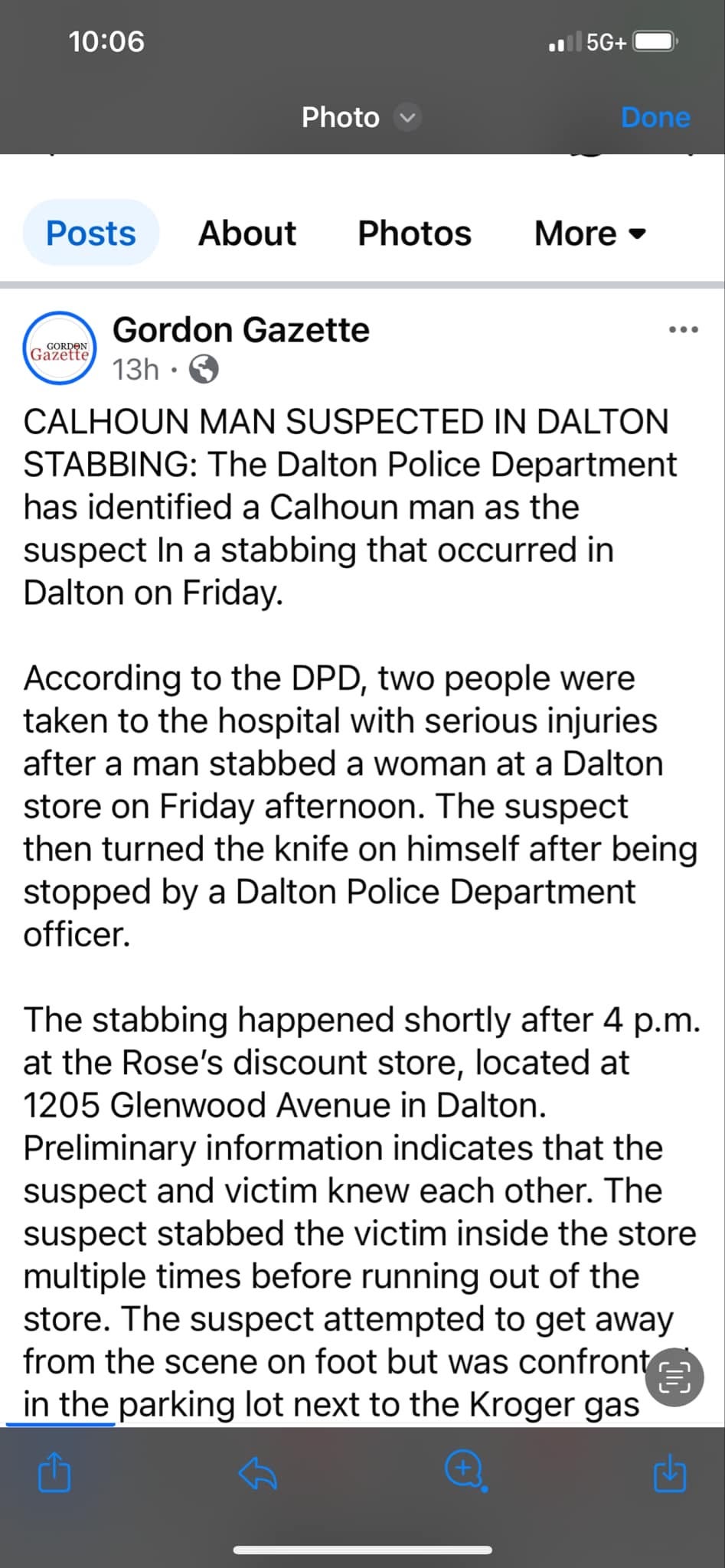
Weeks after he began messaging my mom on Facebook and getting no response, he was arrested for stabbing a woman he’d been dating. She had broken up with him, so he went to her workplace and stabbed her, nearly severing an artery and, as she lay bleeding on the floor, walked next door to a grocery store and tried to change his appearance before an off-duty police officer responded to the call and went to arrest him. That’s when he stabbed himself. He survived and was sent to prison.
A year after that, I finally saw him — shackled, in a courtroom, while I stood in front of him, testifying before a judge about why he should spend the rest of his life in prison. He got the maximum sentence and will likely die an incarcerated man, but even that has not stopped him — a few months ago, I started getting unhinged comments on Facebook from a burner account. It didn’t take long to realize who it was.
Testifying at my dad’s trial at age 40 was very full-circle, in that my grandmother had been 40 when he shot my mom. It’s almost funny, isn’t it, the coincidences that make up our lives?
My grandmother’s life was marked by unspeakable tragedy.
It is a nightmare to lose a child. But less spoken of is when you lose the child you knew and inherit a new one. My grandmother got both me and the new version of my mom after the shooting.
She rarely spoke about the shooting (growing up, we called it “the accident,” and I’m not sure why) but she worked very hard to shield me from anything bad — in a gated community, in a room with no windows and with panic buttons on the wall, just in case.
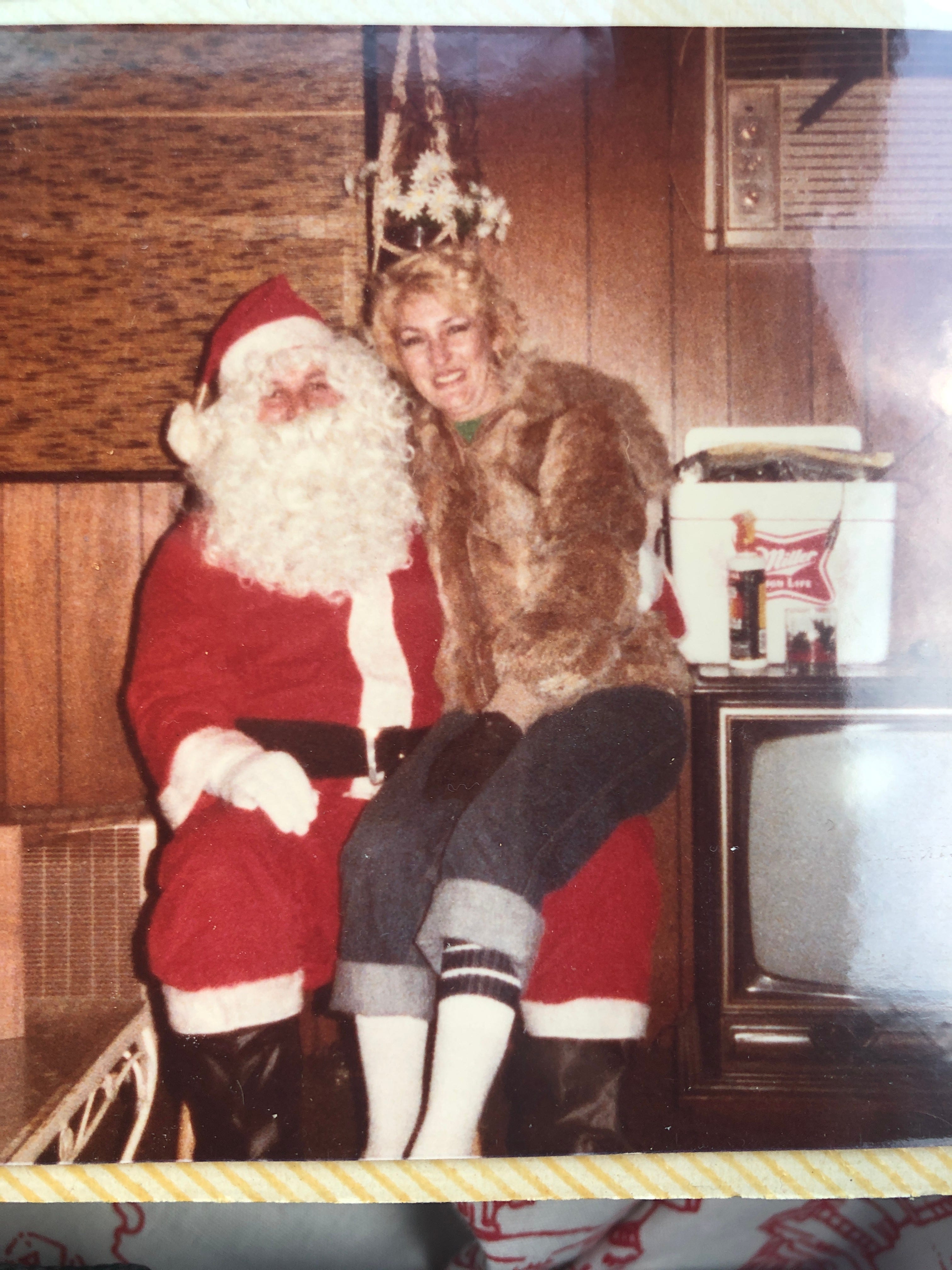
I always felt some small burden of guilt, knowing that I was the only one who escaped the shooting intact (indeed, I was probably better because of it — without it, I would not have been raised by my grandmother and could have been killed by him myself).
I got out alive and never really knew pain. Until, of course, October 14, 2019.
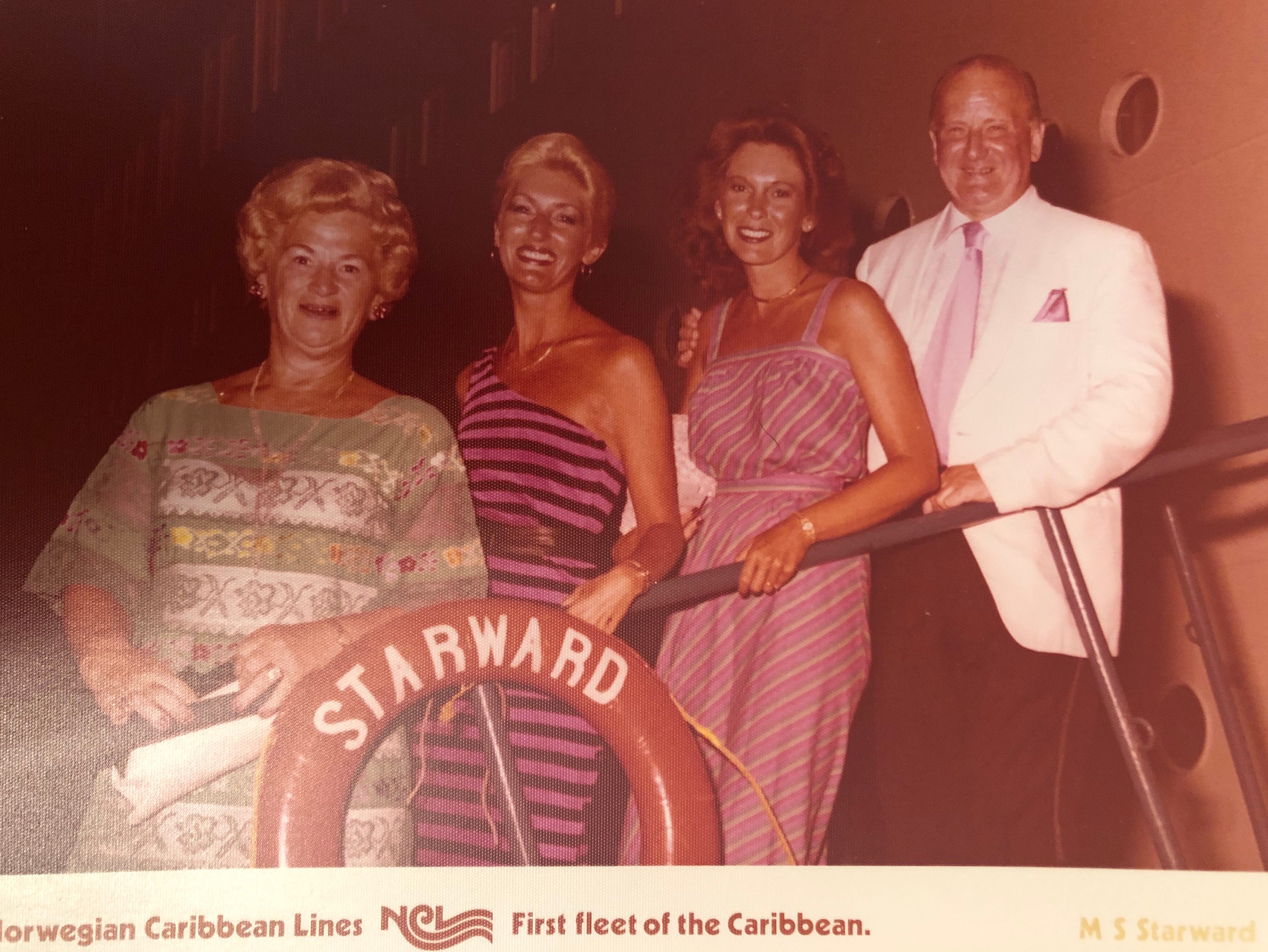
I have written at length about my grandmother’s death and the details are no less painful all these years later.
It was a car accident, and the police officer who arrived on the scene told me she seemed fine at first until she started complaining of chest pains. They took her by ambulance to a nearby hospital; then, when they realized the situation was much more dire, they life-flighted her to a trauma center. I got the call and drove so fast I arrived before the helicopter had even touched down.
Once inside, I was taken to a tiny room where the chaplain told me she was incoherent. The fact that it was a chaplain speaking to me first told me all I needed to know, but it didn’t make it any easier when the surgeon walked in and shut the door behind him.
When I finally saw her that night, they had already attempted resuscitation. The nurses had created a shroud around her face and body, but I could still see bruising on her chest and blood on her lips. She would have hated it, people seeing her like that, but she was always the most beautiful thing I’d ever seen. Even now, I wouldn’t give that moment up for anything, despite it being the most intense pain I’ve ever felt in my life.
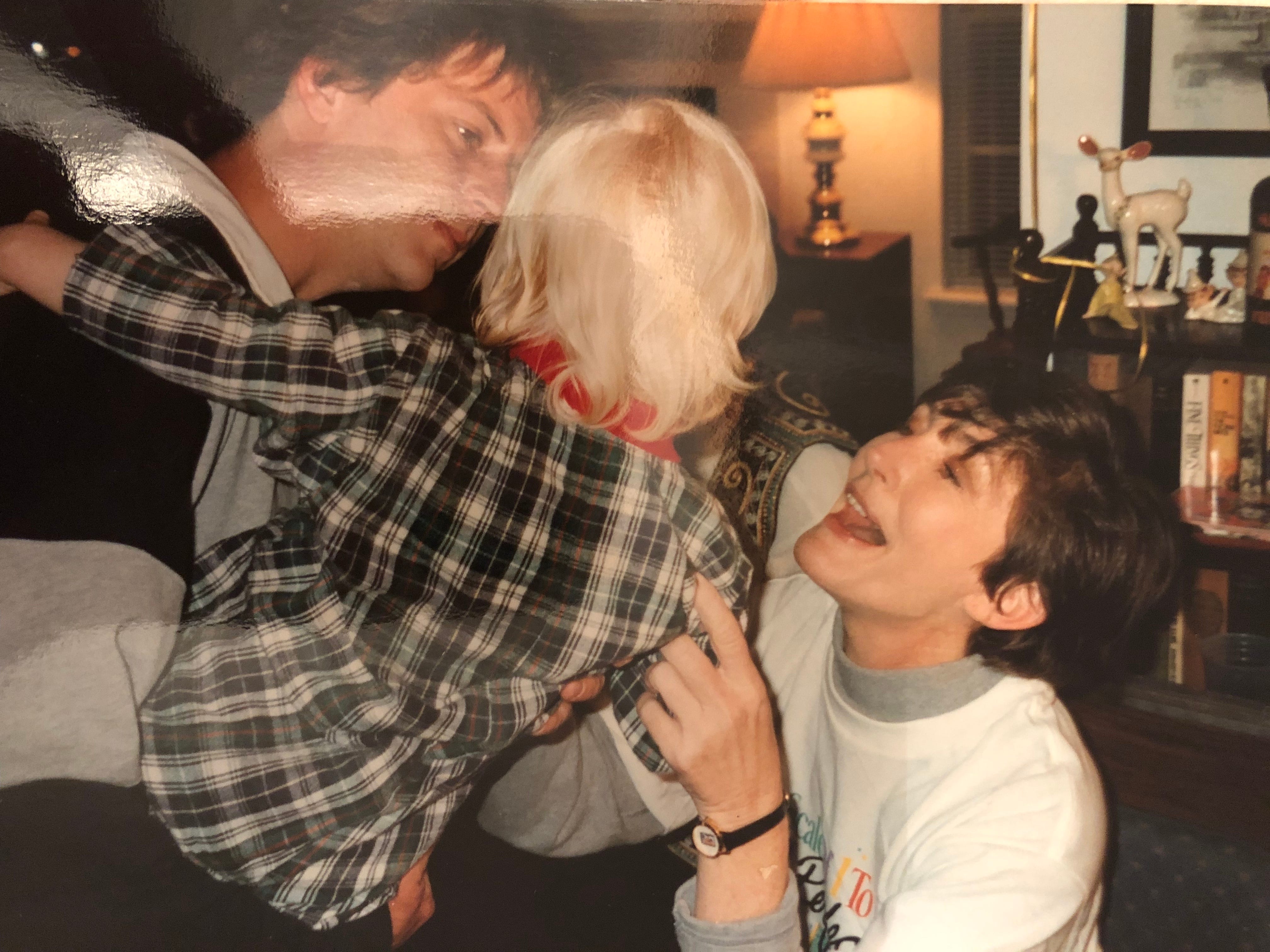
The year after her death was the most challenging of my life. My mom moved in, the pandemic happened. I took on as much work as I could physically handle to ensure I had enough money to take care of us both. I was, I am sure, very, very depressed.
My clothes got baggy and my eyes looked hollow and my hair started turning gray.
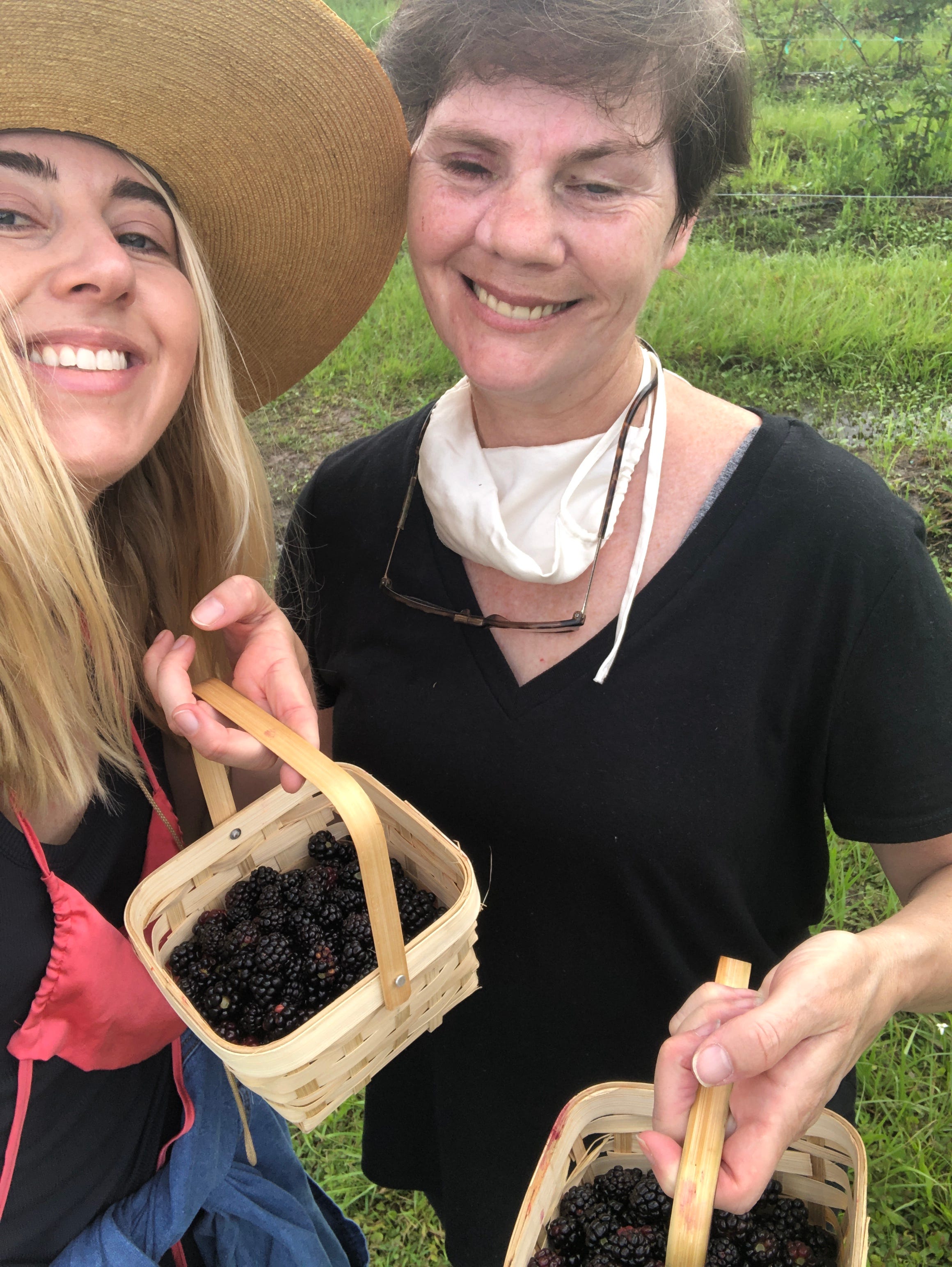
I threw myself into work, pitching a book and then writing it over the course of a year. “For Joy, forever,” I wrote on the dedication page.
Fall turned to winter, and my grandmother haunted me, with calls of “Joy to the World” blaring out of every big-box store’s overhead speakers.
I drove down I-95 and almost careened off the road at the sight of the billboard for the religious radio station. “Joy FM,” it proclaimed, in the most cheerful bubble font imaginable.
Where’s the Joy in that? I thought to myself, and then laughed out loud.
I do that, actually. Laugh when I should be crying.
I think that’s why the word “hysterical” is often used to describe both — because laughing and crying are so inextricably intertwined. One begets the other. You can do both hysterically, maniacally.
Recently, I got a message here on Substack, offering appreciation for my earlier essays on my family life:
I really appreciate you sharing the story often and without embellishment because the horror speaks for itself. If you were up for it, and I totally would understand if you are not, I would love to know more about how you accept or make peace with this on a daily basis and what the struggle looks like on the hard days where maybe you feel like this is so unfair and you’re just angry. This is wisdom I and I’m sure many others need right now.
How do I make peace on a daily basis?
I’ve mulled this over in my mind for weeks now and I’m not sure I have found peace in anything so much as I have found acceptance.
I have accepted that this is my life. That my mom is like my child, and my grandmother was like my mom, and my dad is just some sad, pitiful man on the outer fringes of my life — a man who only pops in to wreak havoc.
I’ve accepted that even seven years later, everything I do is for an audience of one: her.
I have accepted that Jazzy will likely outlive us all.
It would all be so damn tragic if I didn’t find it pretty damn funny, too. After all, who among us gets to view this stunning Joe Exotic moment and immediately think of their dad? Me, that’s who.
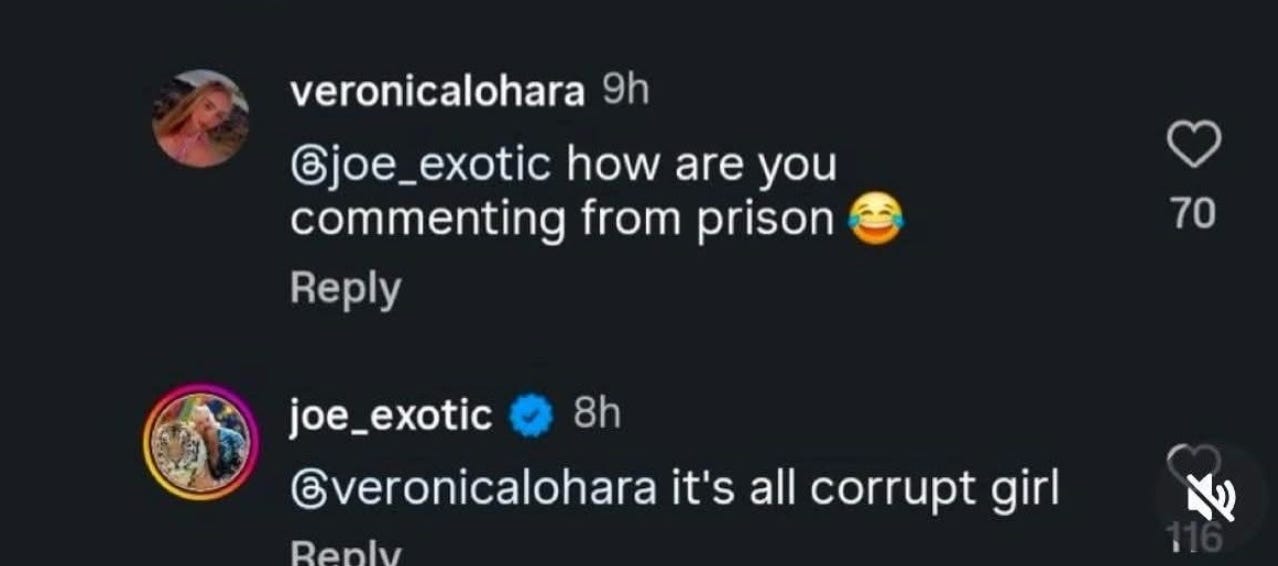
I have a dry and fairly dark sense of humor. I can be macabre at times.
I have enough self-awareness to realize it’s a defense mechanism — to know that, when someone asks about my dad or my mom and I crack a joke, I am doing what I can to shift the focus. Look over there, I am saying, through a smile of gritted teeth and eyes turning glassy with tears.
I’ve learned you can be devastating and funny, just not in the same breath. The jokes don’t always land when the jokes are at your own expense.
But it’s a psychological paradox, isn’t it? Some of the most hilarious people you’ll ever meet are also the most tragic. It seems the painted smiles of a sad clown almost always mask deep inner sorrow.
So, sure: I’ve made peace with my life. Or maybe I’ve just learned to laugh about it.
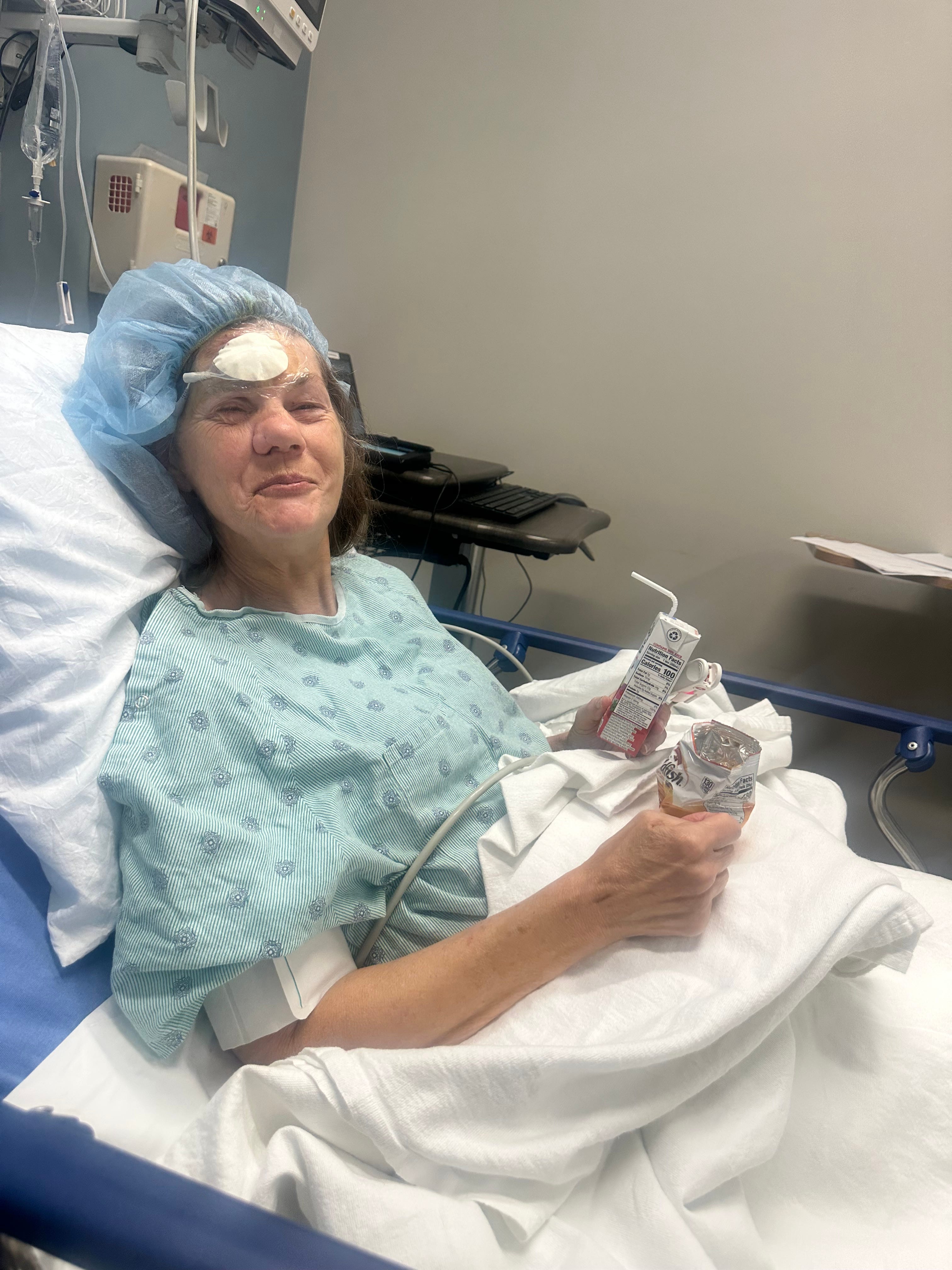
For the first few years after my grandmother died, I viewed stress like a tsunami that I could outrun if I just pumped my legs hard enough. It was magical thinking, of course — that I could be so good, so talented, so successful that maybe The Horrors wouldn’t completely engulf me.
But the hits just kept on coming; you can never outrun The Horrors.
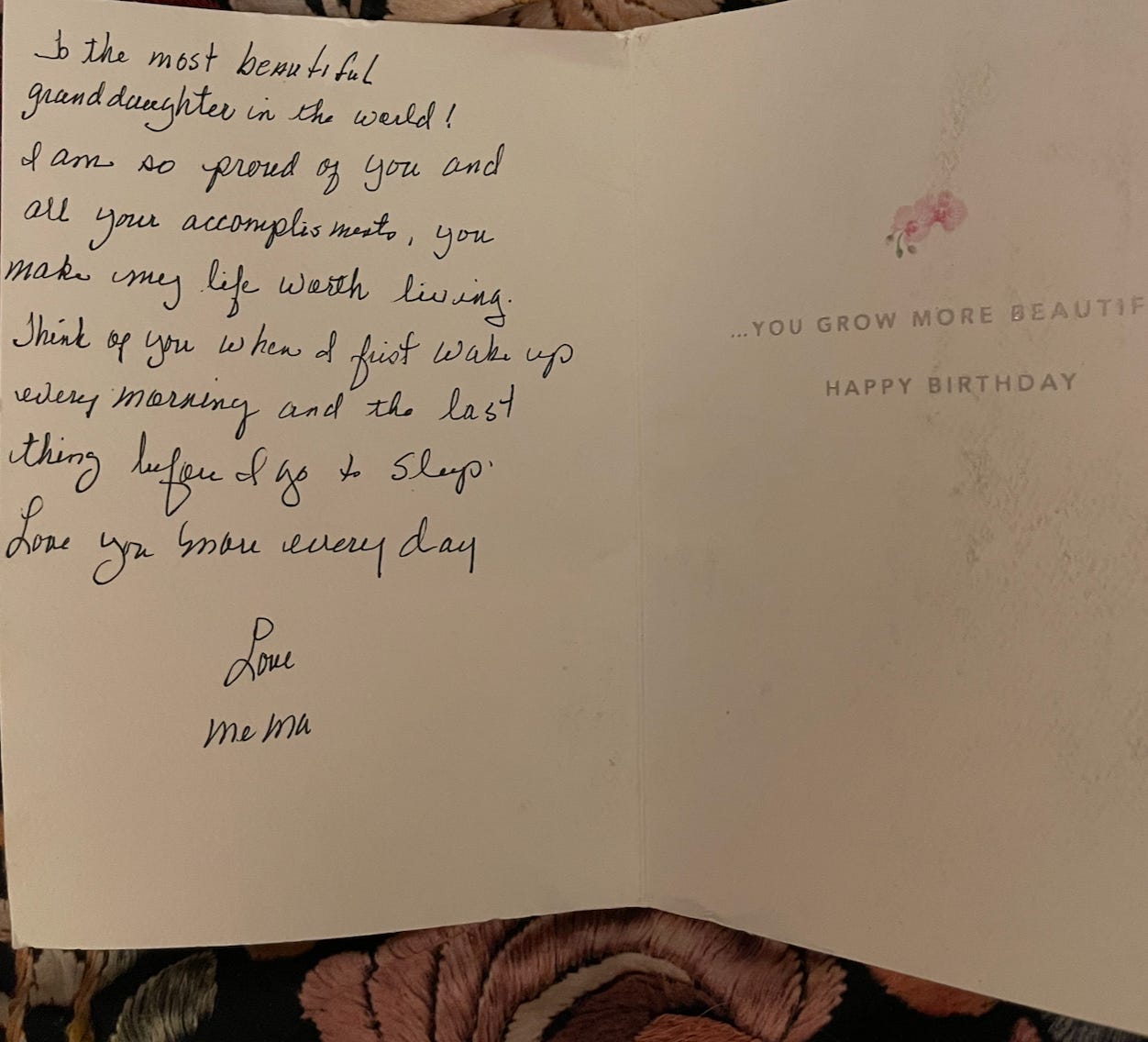
I allowed myself to cry, of course. I cried in the shower, in the car, at my desk at work. I would cry in my sleep.
But for months, I stifled my laughter. I believed happiness was something reserved for those of us who did not know loss. In the grips of my grief, I was convinced that nothing would ever be funny again.
But The Horrors persist, and with time and distance, I’ve learned it’s actually all kind of funny in a dark and absurd and unbelievable sort of way.
Had you told me on October 13, 2019, that my grandmother would die the next day — and I’d survive it — I would not have believed you.
Had you told me two years ago that my dad would stab another woman nearly to death and I would be the one to testify to a judge that he should never get out of prison, while standing right in front of the man himself, I would have scoffed in your face.
Had you told me five years ago I’d be writing my second book and sharing my love of thrifting, antiques, and vintage with over a million people across social media platforms, the same way I used to talk to her?
That I would get daily messages from perfect strangers saying things like, “Look at this chair I found — it is so you,” and they’d be right, because somehow they knew me?
That I’d pass that Joy FM billboard one day and smile because I would know, down to the deepest part of my bones, that she is so proud of me?
I would have laughed. Hysterically.
So hard I might cry, probably.
If this meant something to you, paid subscribers keep this newsletter going. I appreciate all the support.

I just know I gotta save this for after work or I’ll be a mess 😭😭😭
So impressed by your strength to get up each day and thrive, not just survive. 🙏🦋💕