


Ready for a hot take? Most people don’t have a thrifting problem. They have a taste problem.
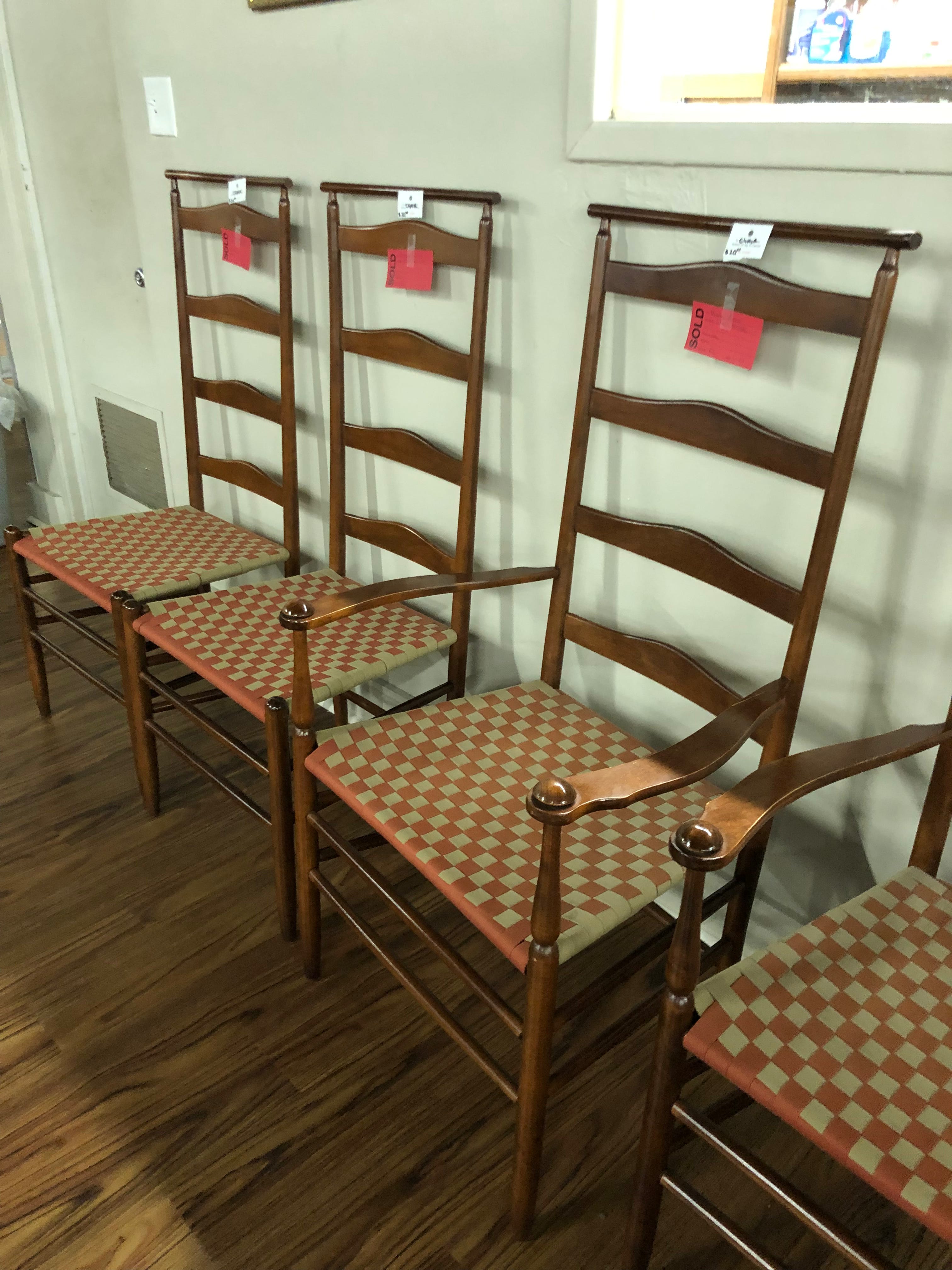
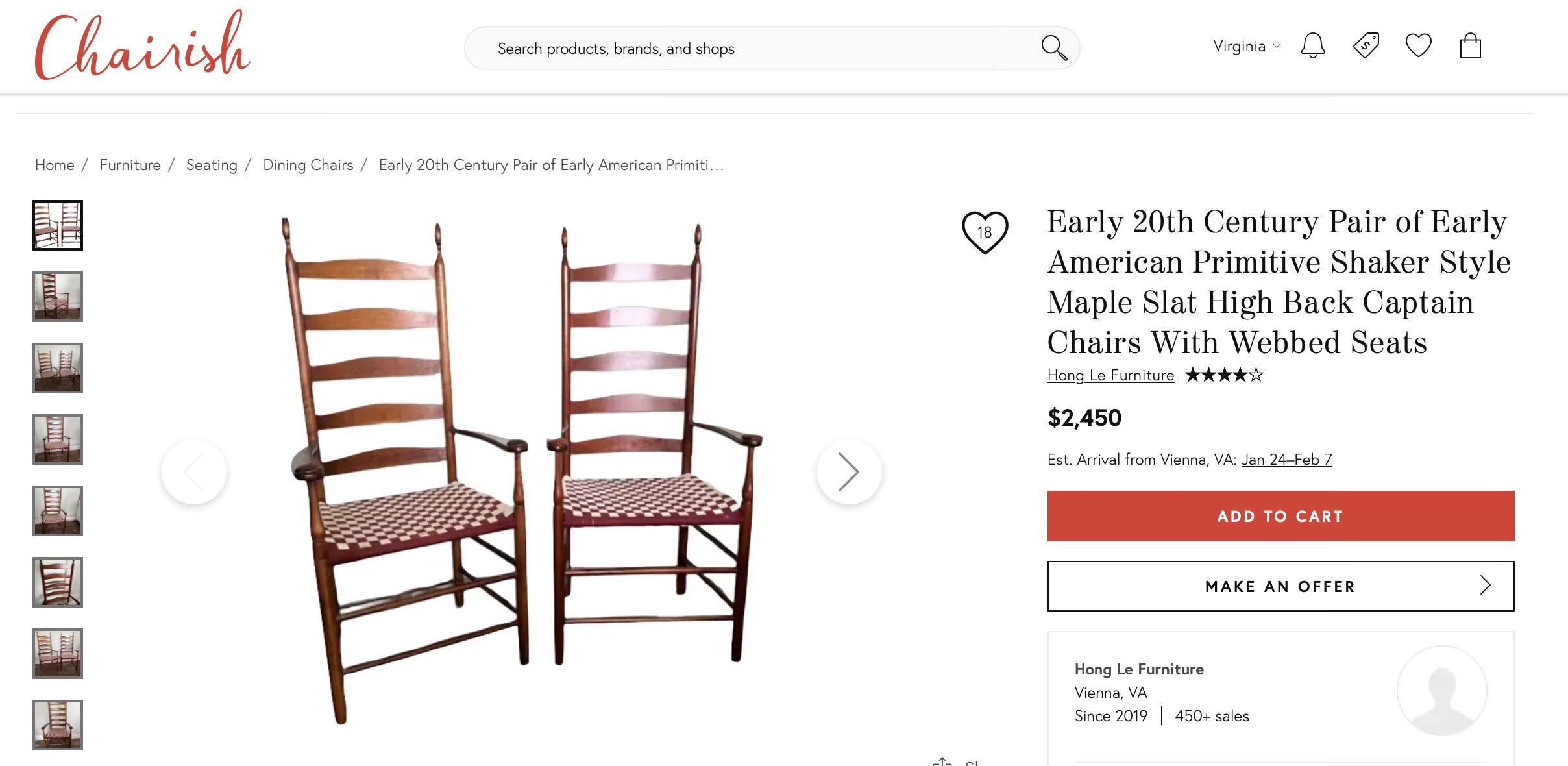
The reason one person walks out of a thrift store with a $12 chair worth $1,200, and another walks out with a cart full of junk has less to do with luck, and more to do with what they’re trained to see.
Now, this isn’t an indictment on anyone’s taste. I am a big believer that taste is subjective, and not everything is for everyone. That being said, good taste is a skill—and like any skill, it can be learned, sharpened, and applied.
And as I’ve learned from years on social media: man people don’t even know what their own taste is.
We “like” one Instagram post and suddenly that’s all our feed shows us. And it becomes what we see, over and over, and therefore what we buy.
There’s a better way.


Thrifting “well” isn’t about chasing trends or copying a look you saw on social media. It’s about learning to spot quality and proportion even when the piece itself is upside down and surrounded by used novelty coffee mugs.
This is about learning how to thrift with intention—so you bring home fewer things, but better things.
1. Learn to Edit
As a longtime writer, I believe the greatest skill you acn have is the ability to edit yourself. It’s the same with design and shopping. You have to learn how to edit your cart.
Ignore trends, colors, novelty, “made in china” tags (this is a sign of a mass-produced product, not one that was made by hand or in a small batch)
Train yourself to say “no” quickly
Ask yourself if you actually like something, or if you just saw something similar on social media.
Simply put: Expensive taste isn’t about knowing what to buy. It’s about knowing what to ignore.
