


I’ve said this before, and I’ll say it again: We are in the middle of a generational turnover.
Boomers are downsizing, moving, and clearing out houses they’ve lived in for 40 years, and all of their stuff has to go somewhere. So the real wood furniture, silk blouses, and collectibles wind up at Goodwill, Salvation Army, and estate sales.
More inventory, yes, but these days, there’s usually a crowd waiting for it.
Recent data shows that more and more consumers are getting comfortable buying used items. In 2024, the secondhand collectibles market was valued at roughly $125 billion. That’s big, but it’s projected to reach over $230 billion within the next decade — a very large jump.
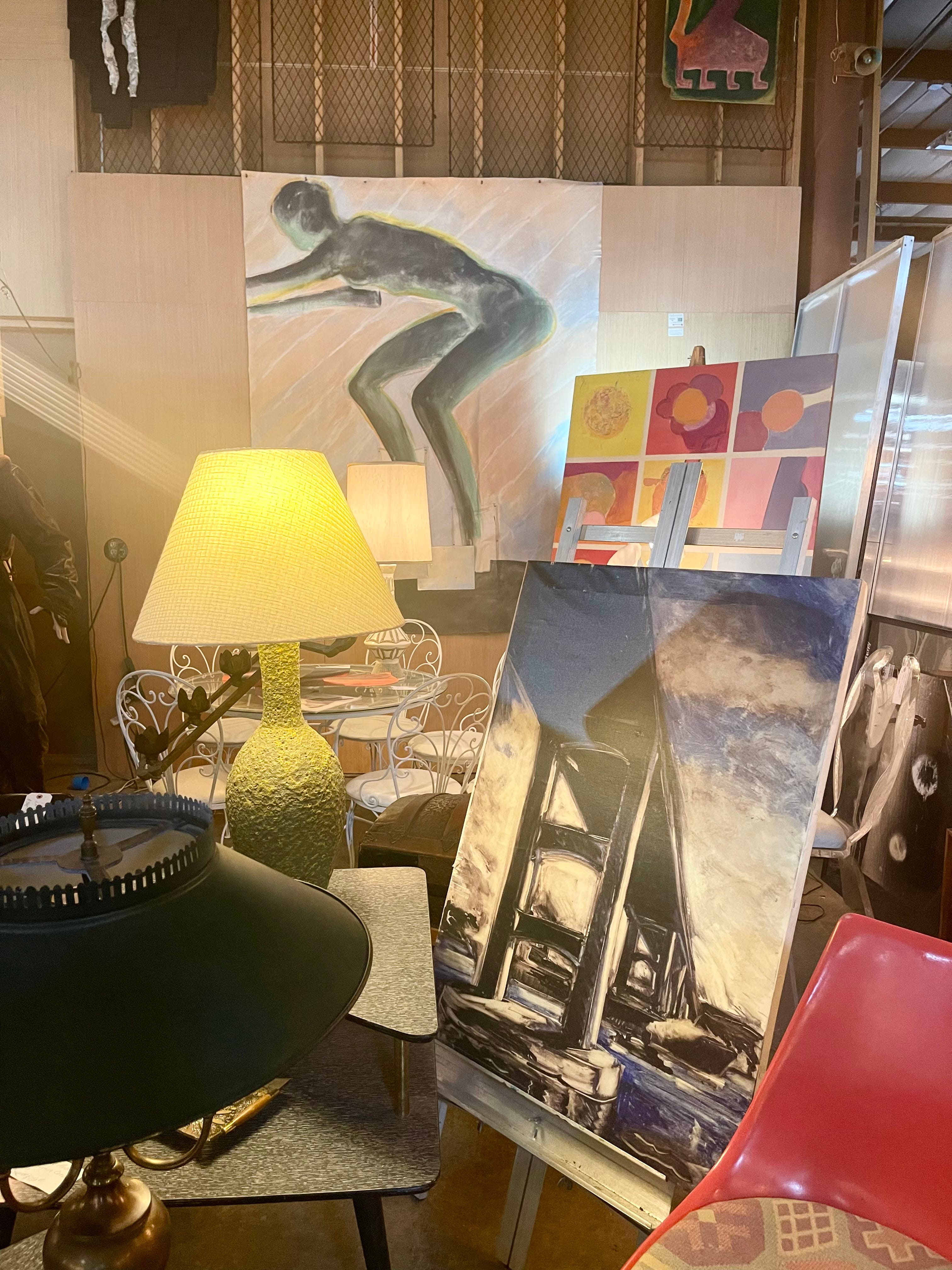
The growth is not happening in the luxury segment alone (i.e. designer “vintage”).
In fact, the mid-priced segment is now the dominant part of the resale market, accounting for the largest share of revenue and continuing to grow.
The growing popularity of secondhand shopping makes sense. There’s a push toward sustainability and secondhand shopping has become trendy. Even search behavior reflects it, with the term “vintage” searched on platforms like eBay more than 1,200 times per minute globally.
But also: Life is expensive right now, and people want to save money however they can. Inflation is up, and the housing market is uneven, which means people are spending differently (rather than buying full rooms of furniture, for instance, they might spend instead on smaller pieces).
So at the same time we’re seeing more inventory hit the market, we’re also seeing more shoppers in thrift stores and therefore more competition. Still, I believe we’re in a thrifting golden age because there is still opportunity — there are many overlooked categories full of well-made and valuable things.
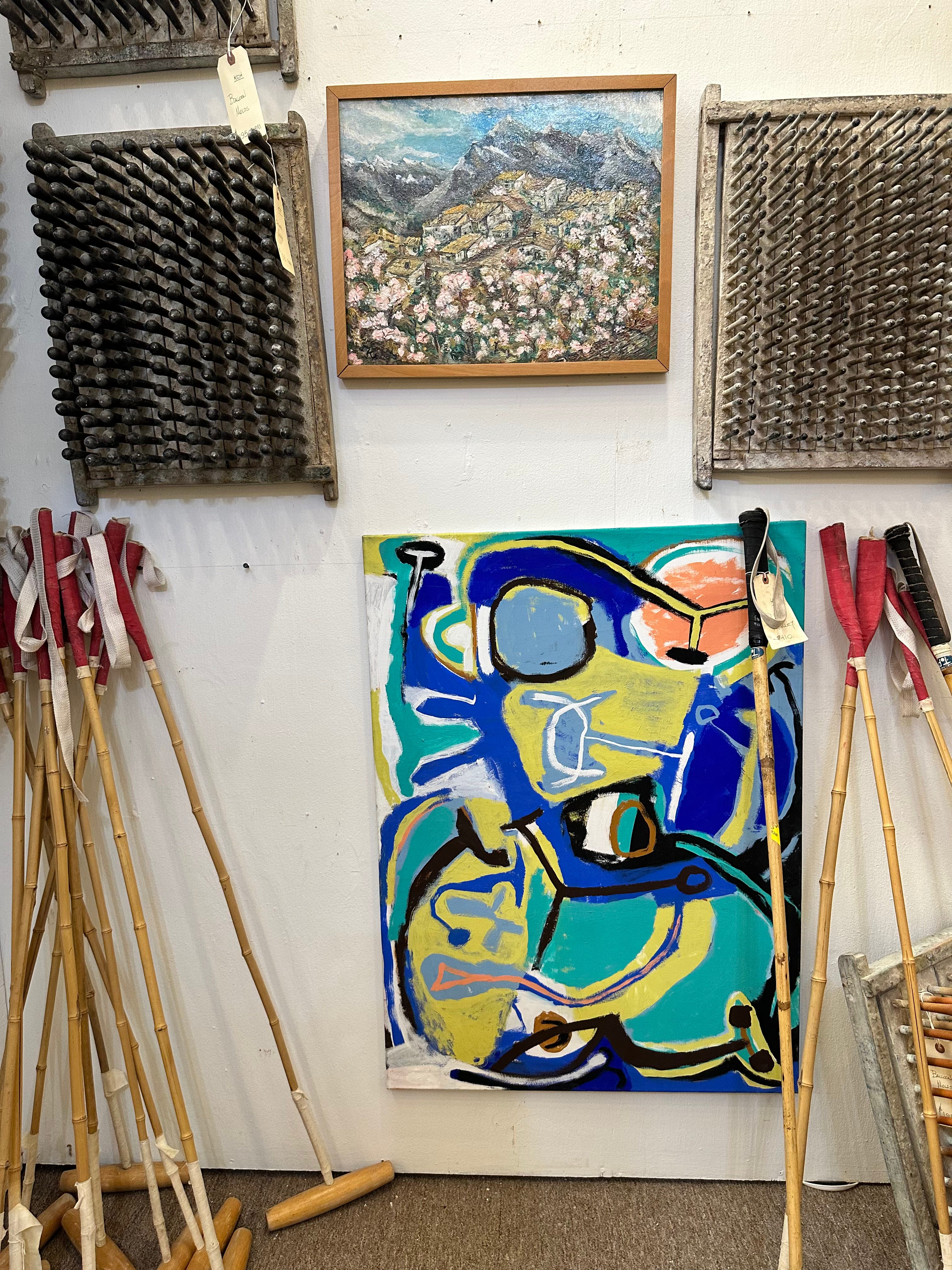
Below, I’m breaking down the categories worth shopping right now.
And if you want to track vintage prices yourself, I always check sold listings on eBay and use 1stDibs as a comparison point for retail pricing.
