


My grandmother used to say you become a new person every seven years.
Her reasoning was this: science tells us our cells regenerate, on average, every 7 to 10 years. Of course, there’s variation: Skin cells turn over in weeks, skeletal muscle can take more than a decade. Parts of us slough off. Other parts stay, or even strengthen.
The first seven years of my life, I was innocent. The next, I was smart. The third, I came into my own — I was funny, more confident. And the most recent seven-to-10-year stretch saw me become more fearless.
I turned 40 in 2025, and I could feel the weight of that number because of how full circle life came for me.
My grandmother raised me for most of my life, so I think about my own age in relation to her.
My grandmother was 40 when her daughter — my mom — was shot in the head. She was 40 when my father went on trial for it. She was 40 when she started taking care of me, because my mom could not.
I was 40 when my father went on trial again, this time for stabbing a woman.
Turning 40 meant five years without my grandmother, after she died suddenly in a car accident. It meant five years as a caregiver, and 40 years as the daughter of a woman who was shot in the head. Forty as the daughter of a man who would do something like that.
In January, I turned 41, and I’ve been thinking about the next seven to ten years ahead of me. Who will I be? Which parts do I keep, and which do I let go?
We call it a midlife crisis but I think, for me, it’s been an awakening.
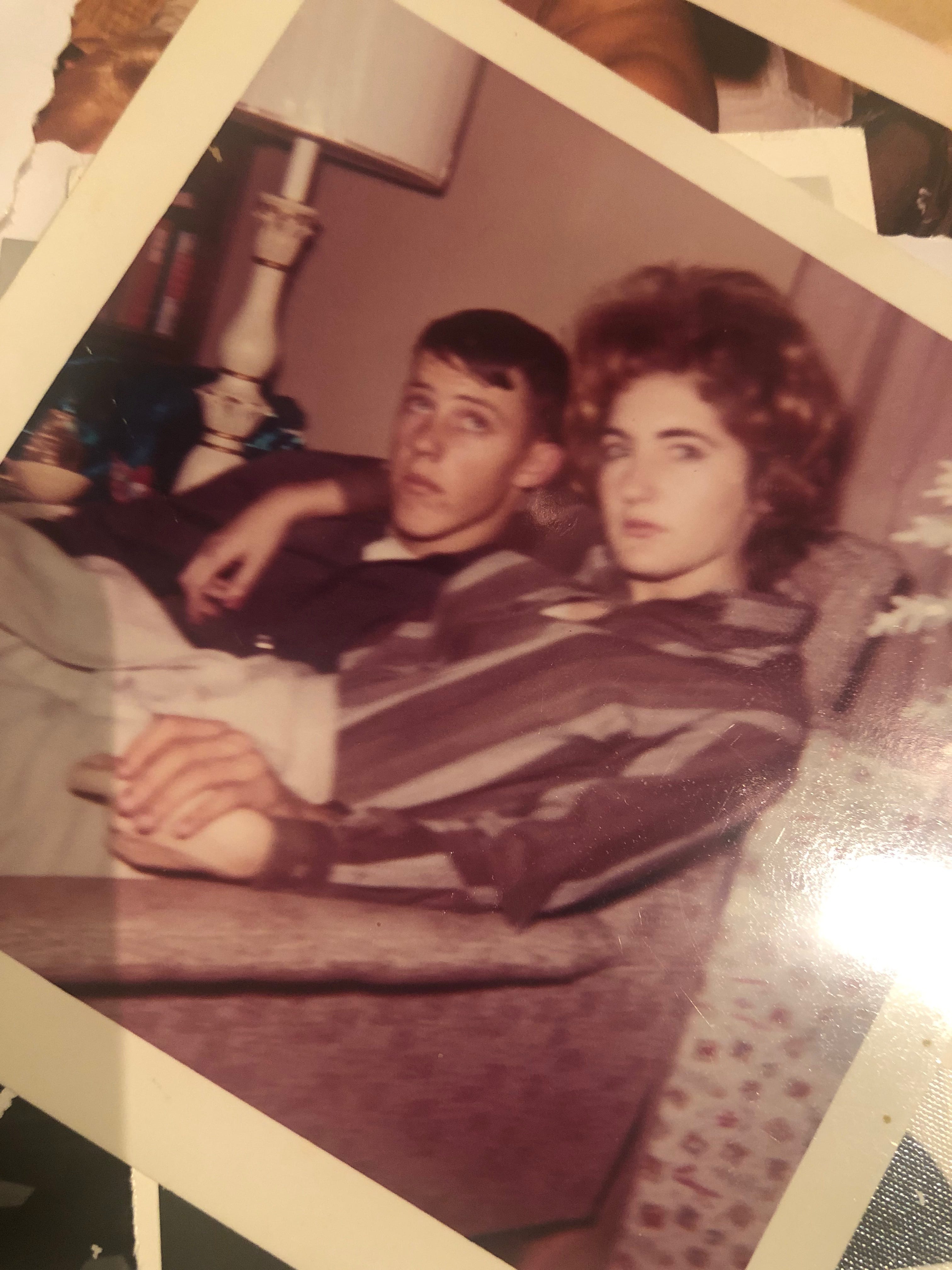
My grandmother became a mother at 20, and it is not exactly a family secret that being a stay-at-home-wife was not the life she wanted.
Her father was an entrepreneur and an incredibly mean one. Family lore details how terribly he treated people — everyone except, inexplicably, his little shih tzu. I once found an entire photo album of that dog, posed in different settings at a Glamour Shots session.
The dog got the good side of my great-grandfather. Everyone else got the bad.
He started the first supermarket in their small North Georgia town and later opened motels. My grandmother — and eventually my mom — worked there, behind the desk, in the back office, and in the restaurant.
My grandmother wanted to please her dad, I think, but also understood there was no pleasing a man who divorced his wife and then dated a woman young enough to be his daughter — a woman who, my grandmother told me, once burned his boat to the ground in a fit of anger.
Her dad didn’t believe in women going to college. So, my grandmother did what everyone else in North Georgia did at the time: she got married at 19, had a baby at 20, and stayed close to home.
Her first husband — my grandfather — was kind and a little naive. He worked at Lockheed Martin, but he was, at his core, an artist.
He painted portraits and abstracts and assembled large mixed-media pieces. But in the 1960s in North Georgia, you didn’t paint as a career. So, my grandfather did what everyone else did in North Georgia did at the time: got married, had kids, went to work, and stayed, I think, a little bit unhappy.
They divorced within a decade, and that’s when my grandmother started over.
All the fun she missed as a teen bride, she found in her late 20s and 30s. She and her best friend Judy traveled. She once told me about a flight to Mexico where the pilots were drinking margaritas while they greeted passengers from a cockpit fashioned with lawn chairs. Another trip to Vegas where she won enough at blackjack to pay for the hotel stay.
She was still a mother, but she didn’t pretend it came naturally. My mom stayed with her grandparents often. And when my grandmother was home, she worked — sometimes for her father, sometimes for herself, running a dress shop with Judy.
I don’t think she ever fully made peace with the life she had first chosen — or been pushed into choosing.
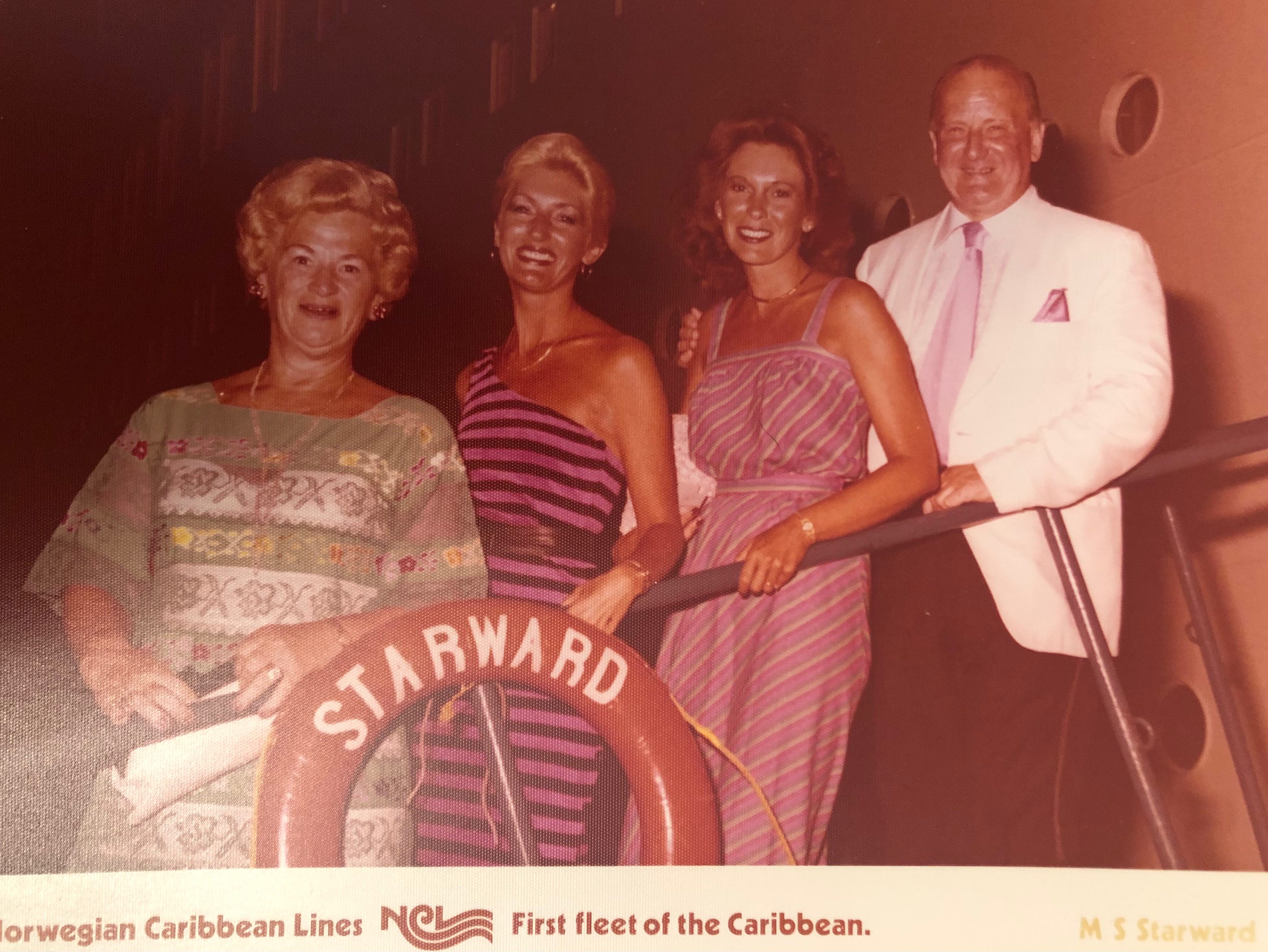
My grandmother was 40 when everything broke open. When her daughter was shot. When my father went to prison. When I was born.
But turning 40 was not the end of anything for her. It was the beginning of a different life than the one she thought she’d have.
I’ve been thinking about that a lot since she died because at 35, I made a different kind of break.
I pitched my book. I got serious about something I had been circling for years — vintage, objects, the art of breathing new life into things. We’re talking about reinvention here, right? So, only fitting that my own reinvention (from “just a writer” to a “writer-vintage dealer-thrifting expert”) came as a result of giving things a second chance: a chance to do and be something they didn’t get to be the first time around. Cliché as it may be, I do believe everything deserves a chance to live to its full potential and try something new.
This passion didn’t come out of nowhere, but it took me until my mid-30s to recognize it as something worth building around.
And even then, I didn’t get it exactly right.
I’m not sure I ever will.
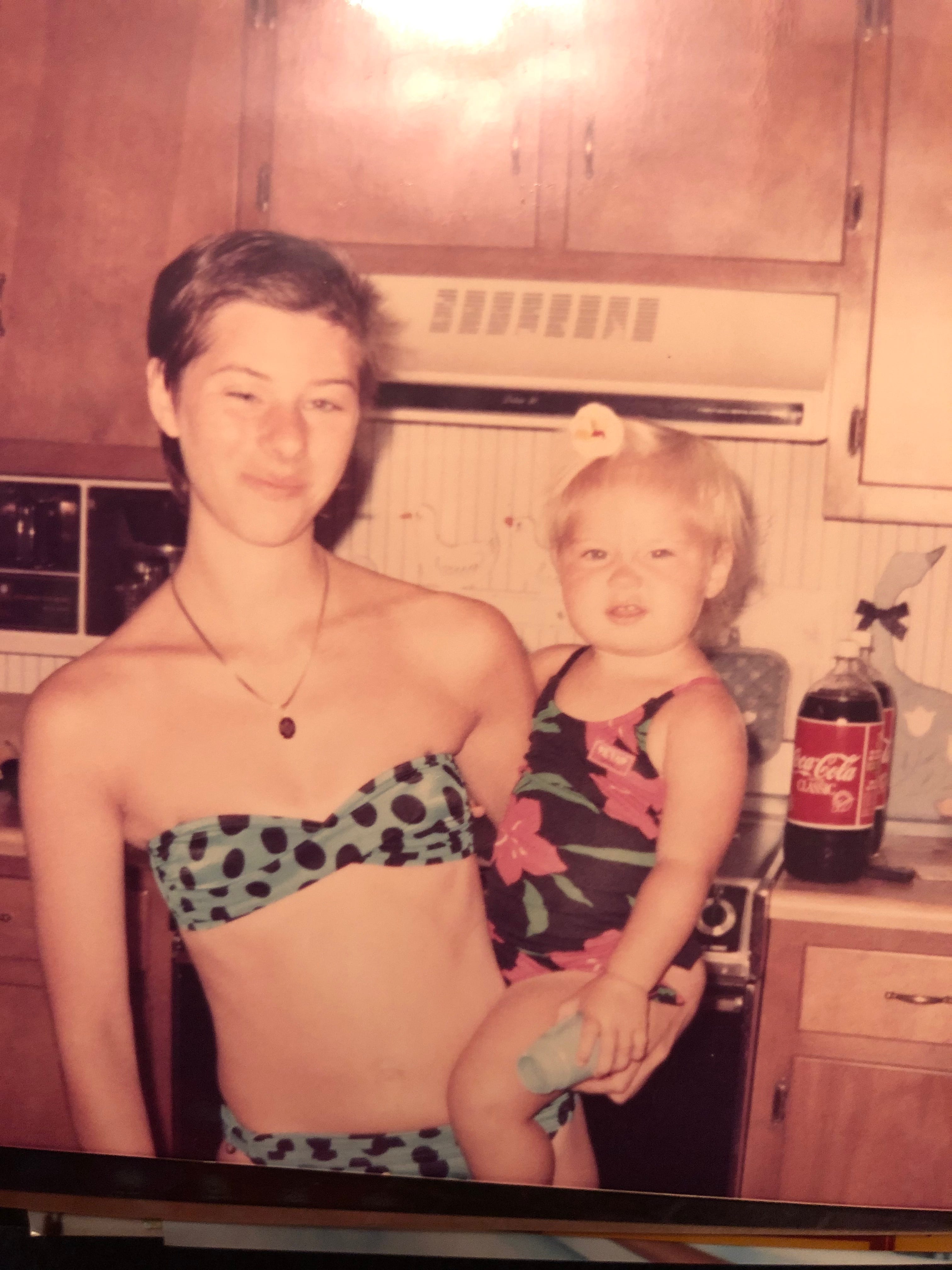
All of the women in my life have seen their lives marked by tragedy and reinvention. My mom was 20 (a baby!) when she had me and 20 when she was shot by her estranged husband. Her traumatic brain injury de-aged her as a result — she went from being 20 to 12, forever a Lost Boy in a Neverland of eternal youth.
Hers was a reinvention of a different sort — one my mom didn’t choose and didn’t plan and one that required all those around her to reinvent themselves, too.
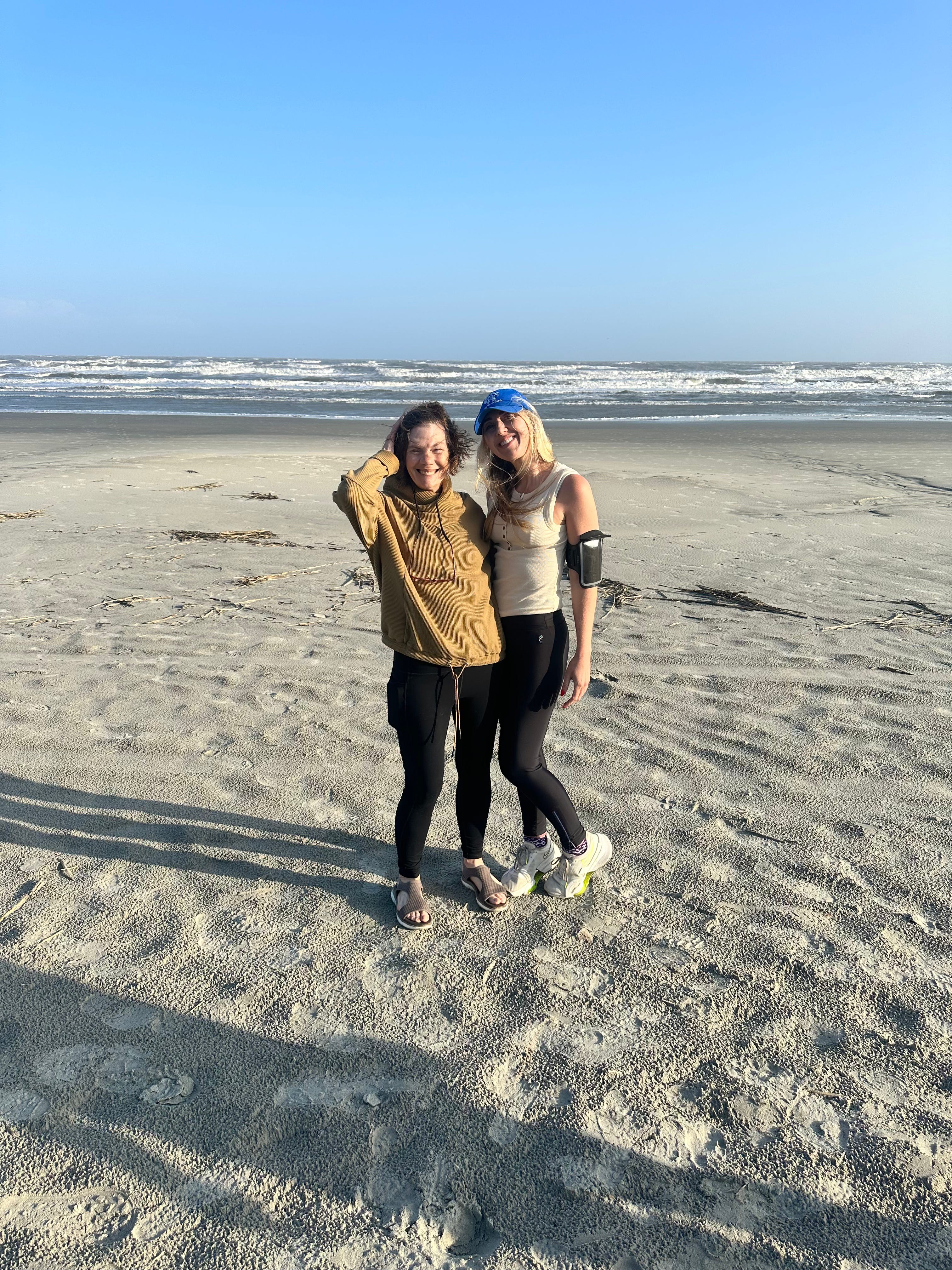
I used to believe that people smarter and more decisive than I knew the secret to life: they figured themselves out early. And maybe some do. But life is so rarely linear. We stay too long in clothes that stopped fitting us years ago and we leave some parties before we’re really done dancing.
Complacency often means staying in the comfortable, the known, the almost-good-enough, because we can’t see what’s waiting for us on the other side of the risk.
The trick, I think, is to try things on: new hats, new shirts. New passions or pursuits. Keep going long enough to become someone else — or at least add new parts and pieces to the person you were seven years ago.
My grandmother kept going despite the setbacks. She got the margarita flights and the blackjack winnings and the dress shop with Judy. She got a relationship with me that was unexpected but life-altering for us both. None of that was in the first draft of her life.
If I had figured everything out at 25, maybe I would have written a different book. Maybe I wouldn’t have written one at all.
The truth is, the version of me that exists now did not exist then. She was made out of all the versions that came before her and she’s better and stronger for it.
At mid-life, there’s a tendency to think we’re supposed to have it figured out but there’s still time to refine the draft. You can allow some things to stay and you can cut the sentences that don’t feel quite right. If you’re really lucky, you’ll find new ones that click into place and sound even better.
You rarely get it right the first time.
Later’s okay, too.
FROM THE ARCHIVES
Finding Beauty in a Thrift Store

There is a fortune I have gotten no less than six times — one tucked away in fortune cookies that keeps making reappearances in my life again and again. “You find beauty where others see nothing unu…
Thank you for your beautiful and inspiring thoughts on reinvention. I especially loved this passage: "Life is so rarely linear. We stay too long in clothes that stopped fitting us years ago and we leave some parties before we’re really done dancing.
Complacency often means staying in the comfortable, the known, the almost-good-enough, because we can’t see what’s waiting for us on the other side of the risk.
The trick, I think, is to try things on: new hats, new shirts. New passions or pursuits. Keep going long enough to become someone else — or at least add new parts and pieces to the person you were seven years ago."
Your writing evokes so much for me - I really enjoy your reflections on life.
Great writing. What a life already. Your grandma was a knockout!