


The thing I remember most about those early days after my grandmother’s death is that I could not remember much of anything at all.
I was drowning in documents — she died in a car accident after being hit by an uninsured driver, and I was constantly in need of the accident report and the death certificate. I brought a stack of documents everywhere I went, yet I lost them every day. I’d be holding a sheet of paper in my hand one minute, and the next it was gone, misplaced somehow on my walk from the office down the hall to the living room.
Time no longer felt linear. Hours would go by in seconds. Minutes would stretch for hours.
The earth had shifted off its axis and yet somehow, rather ridiculously, it kept spinning.
The loss of someone you love cuts you into two pieces: You are simultaneously floating through the sky and also immobilized. Untethered to anything at all and yet paralyzed by loss and heartache.
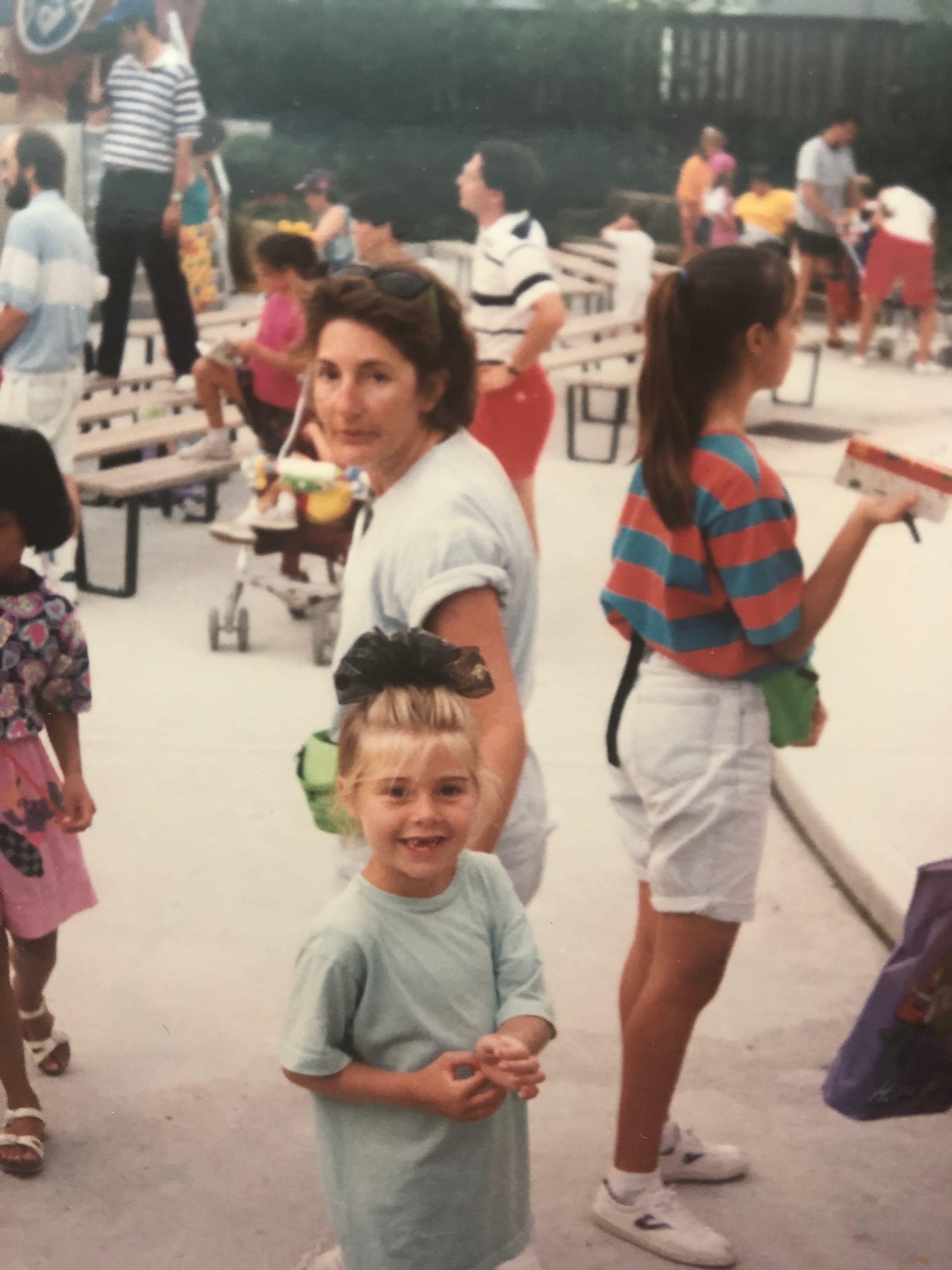
My grandmother had been my everything. She raised me from the age of six weeks old, after my mom was shot in the head by my dad. It was us against the world and losing her meant I had no one to fight the battle alongside.
It also meant I became my mom’s caretaker and that came with its own sort of grief as I navigated the fact that I no longer recognized myself.
In those early days after my grandmother’s death, I had to schedule appointments with my mom’s doctors. I did not want to get out of bed but I had to, to take care of someone else despite that I no longer knew how to take care of myself. I remember catching a glimpse of myself in the reflection of a hospital window and thinking, "She looks sad,” before realizing the woman in the reflection was wearing the same clothes as me.
I often forgot to eat, and felt guilty when I did. How could I go on pretending things are normal, I thought, when everything is changed? (Or, more accurately: Who can eat a chicken nugget at a time like this?!)
It would be weeks before I laughed at anything but when I did, I felt guilty for that, too. You idiot, I thought, nothing is allowed to ever be funny again.
She was gone, and the world felt empty. Yet the loss of her covered everything. The earth was dripping in it.
I suffered from the same kind of magical thinking as anyone who has known grief — I hoped I could will her to be alive again but every day, something would remind me that I could not.
I picked up her ashes alone, driving to the funeral home to receive a black plastic box with a paper label on it — the ugliest and most humble way, I thought, to house the remains of a woman worth so much more.
They gave me her death certificate there, too. “Blunt force trauma,” it read, which reminded me of a Law & Order episode and was no way for such a beautiful woman to go out.
And yet, it had been. Her death was final, as all deaths are, and I suffocated on that reminder.
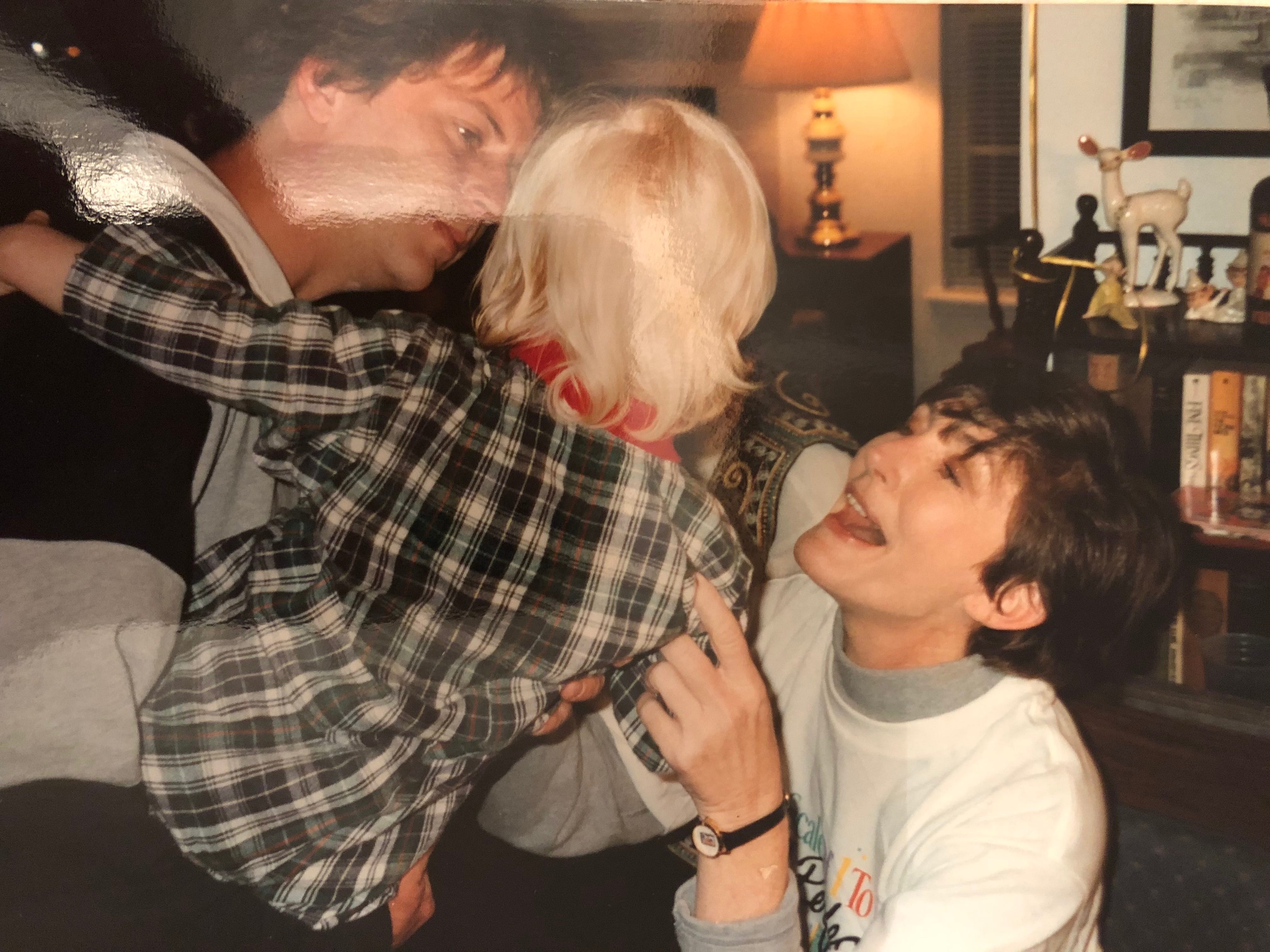
I remember those first few weeks after her death, waking up in the middle of the night, my body wracked with sobs — I had started crying while I was still asleep. The sound of my own voice had woken me up.
I would dream that I walked out of her hospital room to find her standing in the hallway. “What happened to your mom?” she asked. And when I told her, “I take care of her now,” she cried, too.
I’d spend hours going through her things at her home, just one block from the beach, and wanted very badly to walk into the ocean fully clothed, plunge my entire body beneath the water and open my mouth to scream — not so my lungs would fill with water, but just so I could grieve while being invisible to everyone around me.
People would ask daily how I was and I would say fine but the truth was, I wanted to explode into 1,000 bats at the question.
I did not know what day it was or what time it was or how I was going to get through the next day. I knew that I was decidedly “not good,” but I also knew if I said the thing about exploding into 1,000 bats or walking into the ocean, someone would have me institutionalized.
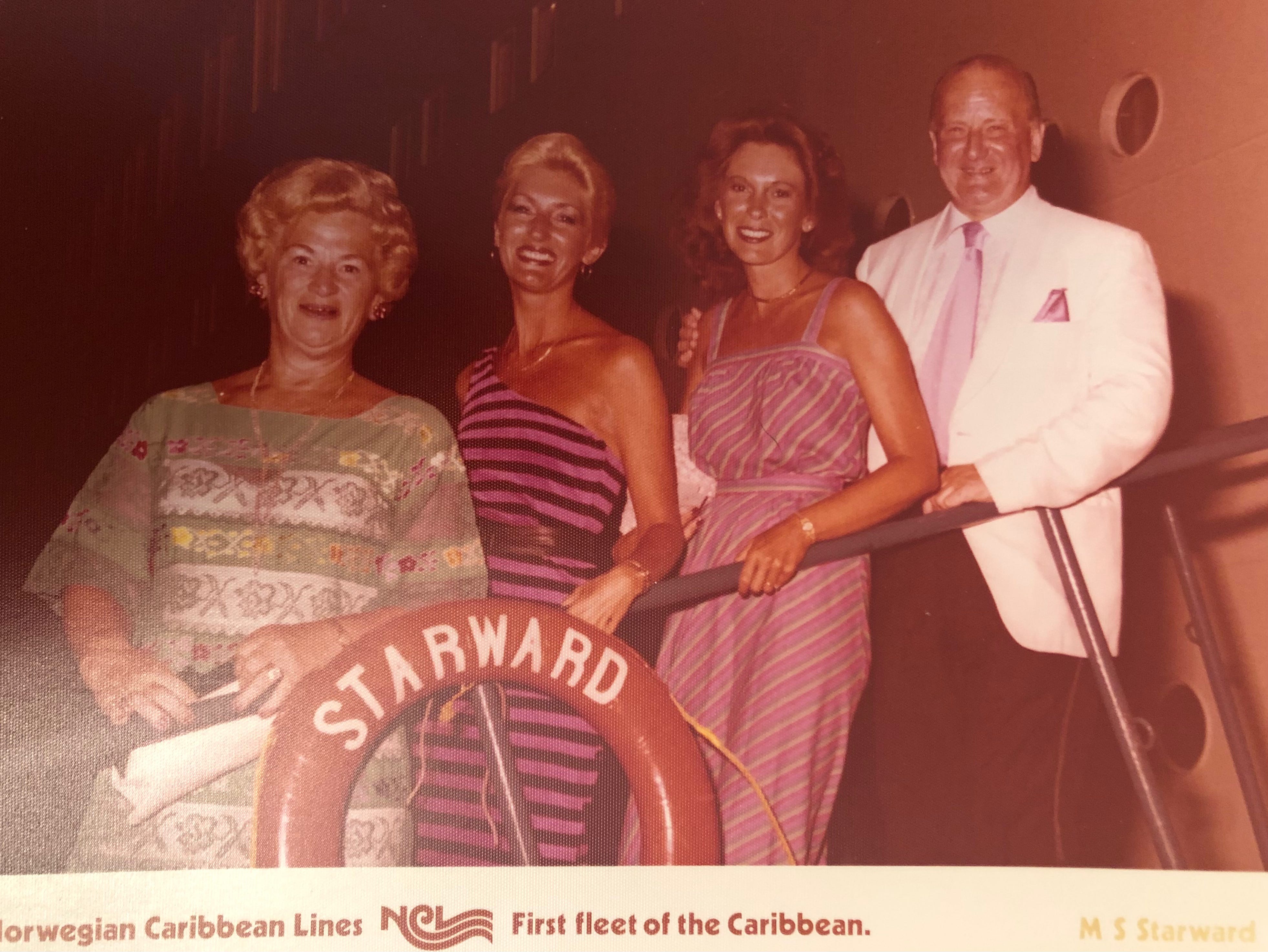
That first year after her death, I thought of everything in terms of loss: First Christmas without her. First birthday where she didn’t send me a cake. First Valentine’s without an embarrassingly large bouquet from her, sent to my office.
My grandmother raised me as a single mom and was only 40 when I was born so ours was a pretty classic mother-daughter dynamic in that she was the same age as many of my friends’ parents. But our bond was even deeper because she was also my defacto dad, my sister, my best friend. She made up for all I had lost by being completely and totally in love with me. And I, with her.
The hardest part of losing her, in those early days and even now, was wondering what to do with it — all that love I had for her.
And that brings me to the great irony of death: You are filled with so much pain when someone dies. But eventually, the loss gives way to longing.
Even if the person you loved goes away, the love you have for them does not. What, then, do you do with it all?
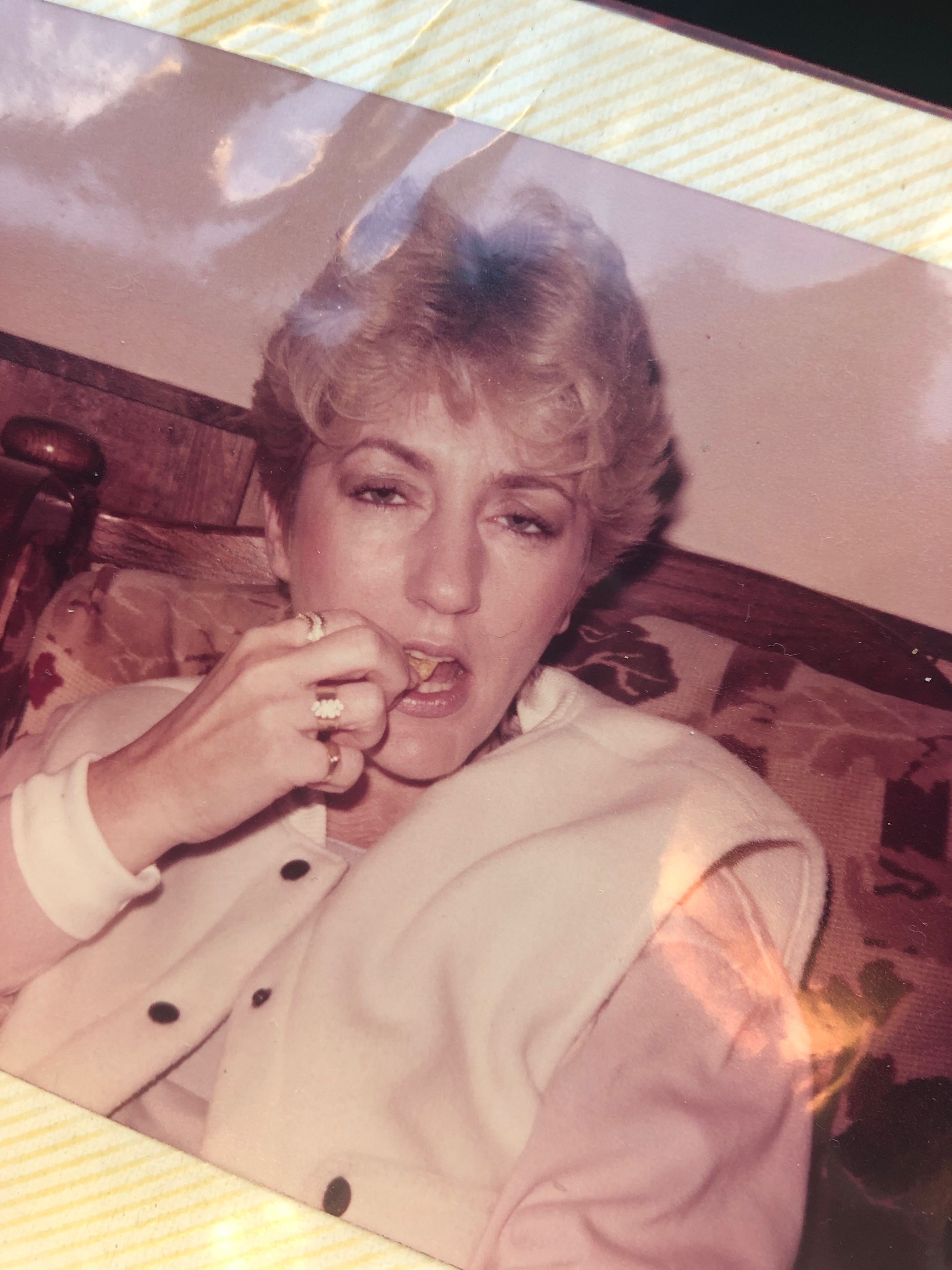
Before my grandmother’s death, I was a fortress. No one could touch me, I was not easily impressed. In relationships, I was never a pick-me girl because, simply, I did not want to be picked. Pick someone else, I demanded of anyone who got near me.
Since her death, the pendulum has swung. Now, I fall in love too easily — with songs, with poems, with the way a stranger’s laugh punctuates the silence of the post office.
I wrestled with that for a long time. After all, if grief teaches us anything it’s that loving someone will only end in heartbreak.
But we aren’t meant to live with all this love and longing bottled inside us. It’s gotta go somewhere.
We spend so much time setting boundaries, and putting up walls, and chiding others for falling in love too easily. Don’t get your hopes up, we say. We tell women, especially, never to seem too eager.
But what is the point of life if not to be eager about, well, all of it? What is the point of living without getting our hopes as high as possible?
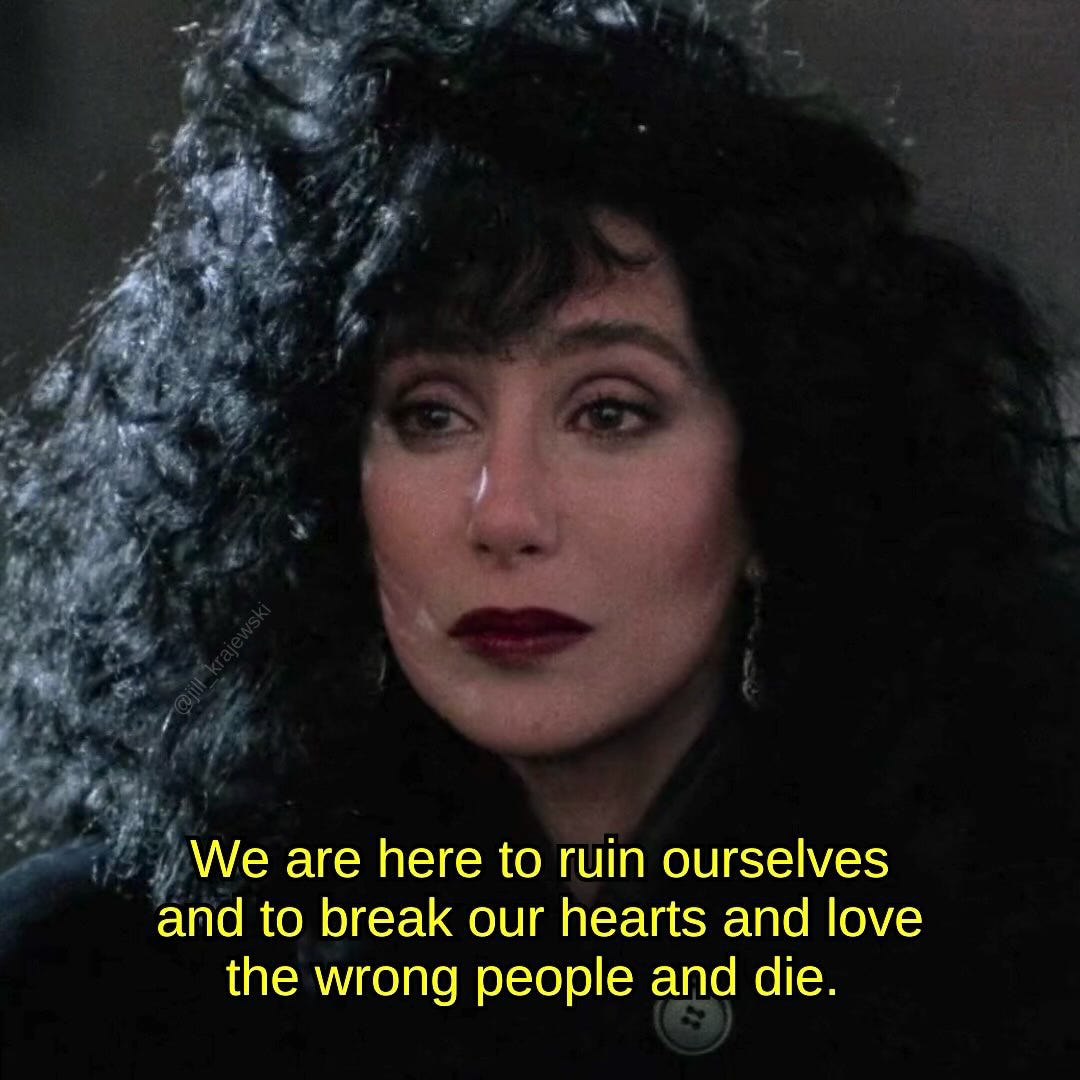
If you open yourself up to love — platonic, romantic, any kind of intimacy, really — you open yourself up to hurt. And that’s kind of the point of all this, I think. Not just to love, but to hurt. To open yourself up to something knowing this is not going to end well because it never really does.
We adopt dogs knowing we’ll bury them one day. And then, when we do, we adopt another, knowing exactly how the next episode will end.
When my grandmother died, it broke my heart wide open. It hasn’t closed since.
I have refused to bottle all my love inside the black plastic box with her ashes, and have instead poured it into whatever I can: into art and words on a page and objects I find on shelves at thrift stores. I feel more full of love than ever. I’m not ashamed of that.
When your someone dies, you’ll be faced with this, too: The fear that your love for them will somehow go away.
But it won’t, and it doesn’t have to.
I don’t know what happens when we die, or where we go. I know that our bodies are comprised of atoms — microscopic particles that comprise our skin, our hair, our nails, our tissues and fibers. These atoms make up everything in the universe so we are all just borrowed stardust, really.
Which is kind of beautiful, if you think about it. And I do.
I think about all of the atoms that made up her hair, or her smile, or the lungs she laughed with. I think about how, when she died, those atoms were recycled back into the atmosphere. So now they’re in other people’s smiles, and other people’s laughs.
I think about how I absorbed some of her, too.
Her wit, her self-deprecation. Sometimes I laugh, and it’s her I hear.
Sometimes I cry, and I celebrate that I loved her enough to make it hurt.
Merry Christmas and Happy Holidays. I hope you are giving as much love as you can to all those around you this year.
xx,
Virginia
currently sitting in a hospital and listening to my mom’s death rattle - she is also my only family, and i’m going to lose her on christmas. felt like a hug from the universe to read this right now. thank you so much. xxxxxxxxx
this is so beautiful. grief is such a sticky thing; it gets all over things you never thought it would (like a piece of gum on your shoe that somehow ends up smeared into the carpet, and then unexpectedly on the elbow of your favorite coat) -- making you wonder: how could this one piece of "gum" get all over everything unnoticed. but that is grief: a thing that happens when and where we least expect it, never ever quite gone...